

How to Choose the Right Perch
Our Top Picks
Affiliate disclosure: if you buy through these links, we may earn a commission at no extra cost to you.

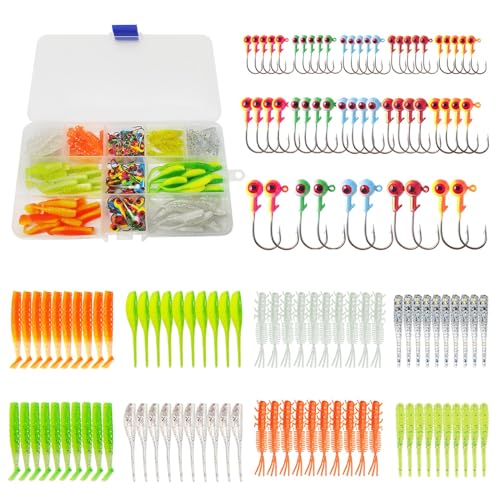
Perch fishing on Lake Erie isn't complicated, but it demands respect for what the fish actually need to eat. Too many anglers show up with undersized baits, wrong colors, or tackle that won't survive a day in central basin chop. You're competing against walleye, against structure, and against changing water conditions that shift weekly. Get your perch selection right, and you'll catch numbers that justify the fuel and the early morning.
What separates consistent perch catchers from weekend dabblers is simple: understanding where perch live by season, matching your bait to actual forage species present, and rigging it in a way that stays productive for six hours straight on the water. The perch in Lake Erie's western basin aren't the same as the ones holding in the central basin's deeper water. Neither will eat the same thing year-round. This guide covers the practical decisions that put more fish in the box.

Table of Contents
Live Bait Selection: Species and Size Matter
Lake Erie perch eat shiners, shiners, and more shiners—but which shiner and what size makes the difference between twenty fish and eighty. Emerald shiners dominate the natural forage base in the central and western basins, and that's your gold standard. They're 2 to 3 inches, built lean, and move with just enough action to trigger aggressive strikes. If your bait supplier doesn't have emeralds, demand them or find another supplier. Fatheads work in a pinch, but they're tougher, less active, and attract walleye faster than perch when you're sharing structure.
Size directly impacts selectivity. A 3-inch shiner culls out the hammer-handle perch and pulls respectable 10 to 12-inch fish consistently. Drop down to 2-inch baits when you're fishing hard bottom in the western basin's shallower flats and the perch are feeding aggressively. On overcast fall days when light penetration drops, go slightly larger—3.5 inches—because perch need to locate your bait faster in reduced visibility. The central basin's deeper drop-offs (45 to 55 feet) are different territory: here, a premium 3-inch shiner rigged on a proper harness still works, but walleye pressure is higher, so perch become secondary.
Condition matters as much as species. Shiners that have been netted rough, over-crowded, or sitting in warm water for hours perform like dead weight. Request shiners packed loosely, delivered cool, and ask your supplier about tank turnover rate. On tournament days when the box is packed with 200 pounds of fish and water temp is climbing, bait quality nosedives fast. Bring a second cooler of backup shiners and rotate them every two hours—the perch will notice.
Seasonal Perch Location and Depth Patterns
Spring perch (April through May) congregate on the first structure they encounter moving from winter grounds. In the western basin, that means shallow hard bottom, rocky points, and the edges of weed beds in 12 to 20 feet of water. Perch are feeding aggressively after a dormant season, and they haven't yet scattered to summer feeding zones. The central basin still holds winter populations on deeper structure at 35 to 45 feet through mid-May, but the fish are fewer and more selective. If you're targeting numbers, fish the western basin in spring.
Summer (June through mid-July) splits perch into predictable layers. Shallow-water perch (12 to 25 feet) feed early and late, sliding deeper during the heat of the day. Offshore structure—the deeper humps and ridges in 40 to 60 feet—hold resident perch that feed consistently throughout the day because light penetration is lower and water stays cool. By July, find thermocline development in the central basin, and perch will position just above it, typically 38 to 48 feet. This is prime territory for numbers if you're jigging vertically with precision.
Fall (August through October) reshuffles everything. Perch migrate toward shallower structure again as water temperature drops, moving through 20 to 35 feet aggressively in September. This is the tournament sweet spot—abundant fish, high activity, and extended feeding windows. By late September, perch school tightly on specific pieces of structure: isolated rock piles, the edges of hard-bottom zones, and the transition from sand to harder substrate. October perch are catchable, but individual fish are larger and more scattered. The numbers game shifts toward quality over quantity.
Winter perch (November onward) concentrate in deeper water, 50 to 70 feet in the central basin, as they move toward their true winter hold. If you're ice fishing by mid-December, expect to find perch in 25 to 40 feet of water in the western basin and deeper in the central. Ice fishing perch is a different game—smaller jigs, lighter line, and more finesse—but the seasonal migration still applies.
Rigging Your Perch for Maximum Action
A basic two-hook dropper rig works, but it's not optimal on Lake Erie's perch structure. Invest in a proper three-way harness with a 12-inch leader from the main line to the first hook, then a 6 to 8-inch dropper to a sinker. This configuration holds your bait in the strike zone longer, distributes weight evenly, and tangles less when you're pulling fish from heavy structure. Use size 1/0 to 2/0 Aberdeen or baitholder hooks—they're sharp enough to handle bony perch mouths and won't bend under typical drag pressure.
Sinker weight determines whether you stay productive for a full charter or lose bait constantly to bottom snags. In 20 to 30 feet of water with moderate current, 1 to 2 ounces holds position effectively. Deeper water (45 to 60 feet) requires 3 to 4 ounces to maintain bottom contact without constantly adjusting. Use barrel swivels between your main line and leader—they reduce line twist, extend bait life, and allow you to change rigs quickly when you hook walleye and need to swap to larger hooks.
Hook the shiner once, cleanly, just ahead of the dorsal fin. A single hook placement through the back keeps the bait alive longer, moves naturally, and produces more strikes than hooking through the lips. If you're dealing with aggressive perch and losing fish on the hookset, switch to a two-hook rig—hook the second one lightly just behind the tail—but accept that your bait won't last as long. During tournament hours when numbers matter, the single-hook rig outperforms consistently.
Tackle and Gear for Perch Efficiency
Your rod choice matters more than most anglers realize. A medium-action 6.5 to 7-foot rod with a fast tip gives you the sensitivity to feel bottom structure clearly and the backbone to drive hooks through perch without pulling free on the set. If you're running eight rods on a charter, four should be dedicated perch rigs—slightly lighter than your walleye setup. A perch rod loaded with 8 to 10-pound braided mainline (not monofilament) provides superior bite detection and reduces line stretch that causes missed hooksets in 50 feet of water.
Reel selection is straightforward: you need a conventional multiplier (levelwind) that holds enough line, turns smoothly, and doesn't hesitate on the retrieve. A 5.3:1 gear ratio is standard. Avoid expensive tournament reels for perch duty—a mid-range Shimano or Abu Garcia conventional reel works flawlessly for 500+ fish per charter. The investment in line quality matters more than reel price. Use 8 or 10-pound braided mainline with a 1 to 2-foot fluorocarbon leader (6 to 8-pound test) tied with an improved clinch knot. The leader prevents line-shy perch from investigating your main line, and fluorocarbon sinks, keeping your rig positioned correctly.
Rod holders keep your hands free and position tackle at consistent angles for sonar monitoring. Gunwale-mounted rod holders on a perch rig allow you to watch multiple lines, notice strikes by feel before you see the rod tip move, and retrieve efficiently when fish are hitting. On tournaments, vertical jigging rods need to be hand-held, but your soaking rigs should all be in holders. Keep a pair of quality pliers and a headlamp at each station—perch teeth can cut through line, and you'll swap rigs fast when you're catching numbers.
Reading Conditions: When to Change Your Approach
Water clarity dictates bait size and color more than time of season. Clear water (4 to 8 feet of visibility) demands natural shiner colors and smaller presentations because perch can inspect your bait from distance. In stained or turbid water (1 to 3 feet of visibility), perch rely on lateral line detection, so go slightly larger and consider adding a small weight to your harness to create vibration. If you're fishing after heavy rain when runoff has muddied the western basin, switch to 3.5-inch shiners and fish shallower (12 to 20 feet) where perch congregate in clearer water near structure.
Water temperature shifts your depth assumptions dramatically. Perch are temperature-sensitive but less finicky than walleye about specific degree ranges. In summer when surface temps exceed 78 degrees, you'll move 15 to 20 feet deeper than spring conditions call for—thermocline positioning matters. A quick temperature check at various depths with your sonar thermometer saves hours of fruitless fishing. If the central basin is stratified at 50 feet in July, that's where perch camp, not on the 30-foot structure that held them in June.
Wind and wave action create feeding windows that last 2 to 4 hours. A steady chop (2 to 3-foot waves) activates perch because wave action reduces light penetration and creates feeding confidence. Flat-calm conditions compress perch into tighter zones and slow bite rates noticeably. On tournament days when you start in calm water, expect the first perch bite to be slow. Wait for wind to develop—it usually does by mid-morning on Lake Erie in spring and fall—and reposition to exposed structure where wave action is working your bait harder. During calm conditions, fish earlier and later; during active weather, fish the peak daylight hours (10 a.m. to 3 p.m.).
Current speed influences your sinker weight and feeding pattern. Strong current (when it's flowing from the Detroit River or through the central basin deep passages) requires an additional ounce of weight and more frequent bottom-checking because your rig drifts faster. Perch actually feed more aggressively in current because b
Frequently Asked Questions
How do I choose the right size live bait for Lake Erie perch?
Match your bait size to the season and water conditions—smaller baits (1-2 inches) work best in spring and fall, while 2-3 inch baits attract larger perch during summer. Mike Caruso emphasizes that undersized baits are one of the biggest mistakes anglers make, so err on the side of slightly larger shiners or minnows to ensure perch can locate and commit to your presentation.
What is the best perch fishing depth on Lake Erie?
Perch depth varies seasonally, moving from shallow flats (8-12 feet) in spring to deeper structures (25-40 feet) during summer and fall. Understanding these seasonal patterns and using your fish finder to locate depth changes will dramatically improve your catch rate.
How do I rig live bait for perch to maximize action?
Use a simple slip sinker rig with a quality perch hook (size 2-4) and let the live bait's natural movement do the work—avoid over-complicating your setup with excessive hardware. Proper rigging keeps your bait in the strike zone longer and increases hook-up rates with active perch.
Is it worth using live bait instead of artificial lures for Lake Erie perch?
Yes—perch are natural predators that respond aggressively to live bait, especially shiners and minnows that match their natural diet. Live bait consistently outperforms artificials on Lake Erie and is worth the extra effort for serious perch anglers targeting tournament-sized fish.
What rod and reel setup do I need for perch fishing on Lake Erie?
A medium-light spinning rod (6-7 feet) paired with a smooth spinning reel spooled with 6-8 lb monofilament is ideal for detecting perch bites and handling the typical 1-2 lb fish. This balanced setup allows for better sensitivity to light bites while providing enough power for consistent hook sets.
How do I find where perch are located during different seasons?
Spring perch congregate on shallow flats and rocky areas, summer fish move to deeper drop-offs and channel structure, and fall sees a transition back to moderate depths around 15-20 feet. Using a fish finder and consulting seasonal depth patterns will help you locate productive perch zones quickly.
Relevant Products for This Topic
Affiliate disclosure: if you buy through these links, we may earn a commission at no extra cost to you.


