Perch Buying Guide: What to Look For in 2026
🏆 Top Picks at a Glance
 #1
#1
Best Overall
Our Top Picks
Affiliate disclosure: if you buy through these links, we may earn a commission at no extra cost to you.


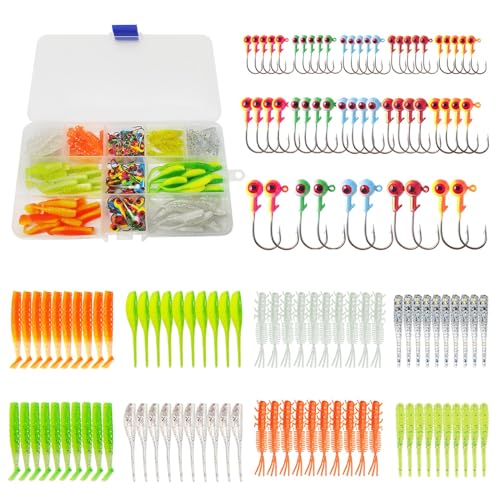
135 Pieces Jig Heads Fishing Hooks kit with Soft Plastic Crappie Lures for Crappie Trout Bass Walleye Bluegill Perch Catfish
$15.99
Check Price →
#2
Runner Up
Lindy Perch Talker Ice Fishing Lure - Great for Perch, Walleye, Trout and Whitefish
$14.99
Check Price →
#3
Best Value
Cotton Cordell Big O - Perch - 2 1/4 in
$11.98
Check Price →
Perch Buying Guide: What to Look For in 2026
Perch Buying Guide: What to Look For in 2026
⚡ Quick Answer
Table of Contents
Yellow perch on Lake Erie aren't a secondary catch—they're a targeted fishery that demands specific tackle and real strategy. Whether you're working shallow structure in the Central Basin or positioning over the deep holes in the Western Basin, the equipment you choose directly impacts your success rate and how many fish make it to the net. I've spent thirty years chasing these fish, and the gear landscape has shifted significantly. This guide cuts through marketing noise and focuses on what actually produces results on Erie.
The perch bite has tightened in recent years, which means your tackle selection matters more than ever. Fish are responding to light presentations, refined sensitivity, and gear that handles the specific demands of deep-water jigging, live-bait trolling, and winter ice work. You need equipment that performs across all three of these core techniques, not just one. Let me walk you through what separates functional gear from equipment that will consistently outfish your competition.
135 Pieces Jig Heads Fishing Hooks kit with Soft Plastic Crappie Lures for Crappie Trout Bass Walleye Bluegill Perch Catfish
$15.99Check PriceRods and Reels: The Foundation
Your rod and reel setup is the communication tool between you and what's happening thirty to sixty feet below the surface. On Lake Erie, you're dealing with a perch population that's increasingly line-shy. A rod that dampens vibration too much will cost you bites. One that's too stiff won't telegraph the delicate head-shake of a perch exploring your jig.
For open-water perch fishing, I recommend a medium-light spinning rod in the 6-foot to 6-foot-6-inch range. You want something with enough backbone to work a jig effectively from 25 to 65 feet, but with a sensitive tip that lets you feel the bottom composition and detect interest immediately. A fast-action taper helps here—it loads quickly but stays responsive at the tip. Graphite construction is non-negotiable; fiberglass will absorb too much feel, and you'll miss the subtle strikes that define consistent perch fishing. Look for a rod with minimal guides (typically 5 to 7) to reduce drag and improve sensitivity during the retrieve.
Your reel must have a smooth, reliable drag and the capacity for 150 to 200 yards of 6-8 pound test. A good perch reel needs to handle frequent long casts without overheating the drag system during summer open-water work. Size 2500 to 3000 is ideal—large enough for sustained pressure but compact enough that you're not fighting fatigue on an eight-hour charter. Look for sealed or partially sealed drag systems; Erie's temperature swings and salt spray will corrode an exposed drag mechanism in two seasons. Specific models I've had success with include the Shimano Sienna and Penn Clash II—both are durable, affordable, and hold up under tournament pressure.
For trolling live shiners or live crawlers, you'll want a slightly different setup: a medium rod with a slower action that provides a natural presentation without telegraphing rod movement to your presentation. Many anglers underestimate this distinction. Your jigging rod is a detection tool; your trolling rod is a delivery system. The same equipment won't excel at both.
Line and Terminal Tackle
Line choice on Lake Erie perch fishing has been revolutionized by braided mainline paired with fluorocarbon leaders. The perch here have adapted to heavier monofilament and have become noticeably more selective. A 6-pound braided mainline gives you zero stretch—you feel every tick, every pause, every head turn—while the 4 to 5-pound fluorocarbon leader remains nearly invisible underwater and won't spook suspicious fish in clear-water conditions typical of the Central Basin.
The knot connecting mainline to leader is critical. Use a standard Palomar knot for your mainline-to-leader connection, but check it visually every thirty minutes of fishing. The braided-to-fluorocarbon transition creates friction, and that knot will weaken under sustained pressure or UV exposure. Many missed fish come from lazy knot maintenance, not equipment failure. Your leader should be 18 to 24 inches long, giving you a small buffer zone that you can re-tie without reducing mainline diameter. When your fluorocarbon leader gets frayed or kinked from multiple hooksets, cut and re-tie immediately. A $0.30 piece of leader is cheaper than a twelve-pound perch that breaks off due to a compromised connection.
For live-bait presentations, many anglers still use traditional monofilament mainline, typically 8-pound test. This approach works, but it requires a different sensitivity level—you need a more responsive rod to compensate for monofilament's stretch. If you're committed to live-bait trolling, consider upgrading to braided mainline with a mono leader anyway. The sensitivity improvement is worth the minor adjustment period.
Jigs, Plastics, and Live-Bait Rigs
Perch jig heads on Erie have become specialized equipment in ways that would surprise anglers from other regions. You're not looking for the heavy, durable heads used in saltwater or largemouth bass applications. Erie perch want lightweight presentations that fall naturally and maintain position with minimal effort. A 1/8-ounce jig head in 25 to 40 feet of water is standard; in deeper zones or strong current, move to 1/4-ounce. Heavier is not better. A 1/8-ounce head takes longer to reach bottom, giving suspended perch more opportunity to intercept it during the descent.
Jig head color matters significantly in Erie's specific water chemistry. The Western Basin, influenced by agricultural runoff, carries more turbidity and suspended material. There, darker heads (black, dark brown, or purple) cut through the water column more effectively. The Central Basin, clearer and deeper, responds better to natural-colored heads (white, chartreuse, or tan). Keep a selection of both, and match to current conditions rather than fishing what worked last week.
Plastic body selection is where most anglers waste money. Erie perch respond to simplicity. A 2-inch curly-tail grub in pearl, green, or chartreuse will outfish a $4 fancy finesse worm 90% of the time. You don't need premium plastics here—you're replacing them frequently due to bottom contact, tangles, and fish damage. Buy in bulk from reputable manufacturers like Bass Assassin or Zoom. The slight cost difference between economy and premium plastics doesn't justify the performance gap on perch. What matters is retrieval speed, bottom contact frequency, and presentation accuracy.
For live-bait presentations, your rig construction directly impacts hookup rate. A simple three-way rig using a barrel swivel, eighteen inches of 4-pound leader to a 1/0 Aberdeen hook, and a small splitshot above works effectively when trolling live shiners. The shiners need freedom to move naturally. Avoid pre-rigged quick-change systems; they rotate under trolling pressure and create line twist that weakens your presentation. Custom-tie everything. It takes five minutes and produces noticeably higher conversion rates on interested fish.
Seasonal Considerations and Basin Differences
Lake Erie perch fishing splits into distinct seasonal windows, and your tackle needs to adapt accordingly. Spring (April through mid-May) finds perch moving from deep wintering holes into shallow structure—weed lines, rocky points, and shale reefs in 12 to 25 feet of water. Light jigs and small plastics work excellently. Summer (mid-May through August) pushes perch deeper into the thermocline, typically 35 to 55 feet in the Central Basin. This is where heavy jigging and precision becomes essential. Fall (September through November) brings perch back toward shallower water and increases feeding intensity. You'll see some of the fastest fishing of the year in October along weed edges in 18 to 35 feet.
The Western Basin, shallower overall with an average depth around 25 feet, produces different seasonal patterns. Perch stage along muddy shelves and sand bars rather than dramatic depth changes. Your jigging presentation needs to be more horizontal—working shallow contours at precise depths rather than dropping deep into structure. Conversely, the Central Basin's deeper walls and drop-offs require more vertical jigging and intense bottom contact work.
Fall is when tackle selection becomes most critical. Water temperature drops, fish become more aggressive, and your gear needs to handle sustained pressure. If you're fishing October tournaments on Erie, invest in premium drag systems and make sure your rod is rated for the style of jigging you'll be executing for six to eight hours straight. A reel with a drag that doesn't handle sustained pressure will cost you significant fish during peak fall fishing.
Safety Gear and Accessories
Your life vest isn't optional equipment—it's the foundation that allows you to fish aggressively and stay alive if conditions deteriorate. Lake Erie is unpredictable. Conditions can shift from calm to dangerous in minutes, particularly in fall and spring when thermal boundaries create localized wind acceleration. Invest in a U.S. Coast Guard-approved Type III or Type II PFD. Look for models designed for fishing, not water sports. You need pockets, compatibility with tackle bags, and a fit that doesn't restrict shoulder movement during casting. Brands like Mustang Survival and Stearns make fishing-specific vests that are genuinely comfortable for eight-hour days.
A quality fish finder is arguably more important than any single rod or reel you'll purchase. On Erie, you're searching for depth transitions, structure composition, and fish location. A modern side-imaging unit (Garmin ECHOMAP or Lowrance HDS) lets you identify productive structure before you even drop a jig. This technology cuts scouting time dramatically and eliminates dead-zone fishing. Paired with good sonar, it's the difference between a successful charter and a frustrating blank day.
Don't overlook small items that compound over a season: quality pliers with a line cutter, a headlamp for early morning or overcast conditions, a scale to verify weight on tournament fish, and a reliable measure. A net that handles 2 to 3-pound perch without tearing gill tissue is essential for tournament applications. Aluminum handles are lighter and easier to manage across long days than wooden or composite options.
Ice Fishing Specifics
Ice fishing on Erie requires a completely different tackle approach than open-water work, and many anglers miss this transition. Your rod needs to be short, typically 24 to 32 inches, with a soft action that absorbs the shock of a perch's aggressive strike through thick ice. A spinning reel transitions to a small spooling system—either an ultralight spinning reel or an inline ice reel. Many experienced Erie ice anglers prefer inline systems because they sit directly on the rod, eliminating the guide system and providing direct connection to your presentation.
Frequently Asked Questions
What is the best rod and reel setup for Lake Erie perch fishing?
A light to medium-light spinning rod (6-7 feet) paired with a 1000-2000 size reel is ideal for Lake Erie perch, allowing you to cast small jigs and feel subtle strikes. This setup provides the sensitivity needed to detect perch bites while maintaining enough backbone to handle multiple fish on live-bait rigs in shallow structure.
How do I choose the right fishing line for perch on Lake Erie?
For Lake Erie perch, use 6-10 lb monofilament or 8-12 lb braided line, depending on your structure and technique. Braided line offers better sensitivity for detecting light strikes when jigging, while monofilament provides more stretch and forgiveness when using live-bait rigs in shallow areas.
What size jigs should I use for yellow perch?
Use 1/32 to 1/8 oz jigs when targeting yellow perch on Lake Erie, as these match the small profile that perch prefer. Match your jig size to water depth and current—lighter jigs for shallow Central Basin structure and heavier options when fishing deeper areas.
Is it worth using live bait for Lake Erie perch fishing?
Yes, live-bait rigs are highly effective for Lake Erie perch and often outperform plastics, especially in areas with good structure. Shiners and minnows work best and allow you to cover more water while waiting for schools to move through your location.
How do I choose between jigging and live-bait rigs for perch?
Use jigging when you want to actively search and work specific shallow structure, and switch to live-bait rigs when you've located a school or want a more passive approach. Many successful Lake Erie perch anglers use both techniques throughout the day depending on conditions and fish activity.
What tackle do I need for targeting perch in shallow Lake Erie structure?
Focus on small jigs (1/32-1/8 oz), light plastics (2-3 inches), and quality terminal tackle like drop-shot rigs for shallow structure work. Pair this with 6-10 lb line and a sensitive rod to feel the perch bites that occur around weed beds and rock formations.