

How To Choose The Right Ice Fishing Rod For Lake E
Summer walleye on Erie suspend anywhere from 25 to 45 feet depending on oxygen levels and baitfish location. A medium-light to medium rod with moderate-fast action gives you the sensitivity to detect strikes while maintaining enough backbone for solid hooksets in that depth range. Fast-action rods transmit feel better, but they'll tire your arm during a full tournament day—go moderate-fast and you'll land more fish without burning out by hour six.
Table of Contents
Our Top Picks
Affiliate disclosure: if you buy through these links, we may earn a commission at no extra cost to you.

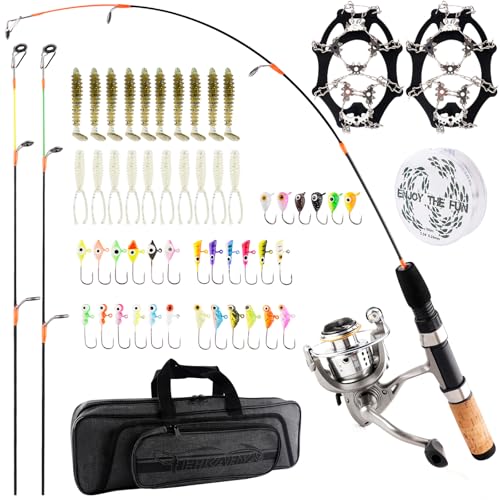
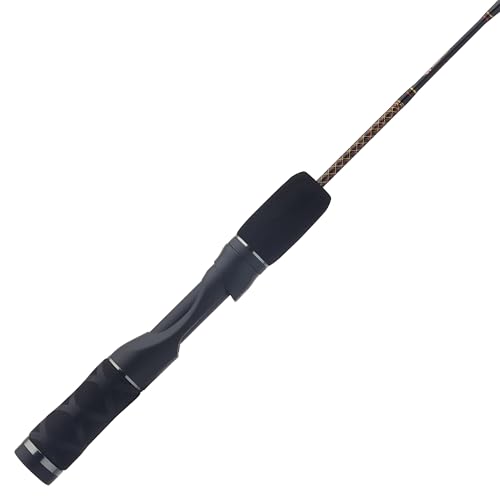
Factors to Consider
Action and Sensitivity Match Your Target Depth
Length Matters More Than Most Anglers Realize
On Lake Erie's open water, you're trolling or casting from a moving boat into structure or suspended pods. A 6-foot to 6-foot-6-inch rod handles precision casting and line control without exhausting you, while anything longer becomes a liability in confined wheelhouse space. Shorter rods also help you maintain direct contact with deep walleye—you'll feel soft takes that longer rods miss entirely.
Cold Water Durability Separates Keepers From Quitters
By late fall, water temperature drops into the 30s, and reel seats, guides, and blank materials get tested hard. Look for aluminum oxide guides (not chrome) and reinforced reel seats that won't develop play or crack when exposed to repeated freeze-thaw cycles. Most offshore anglers don't realize that a cheap rod's guides will accumulate ice faster and create drag that costs you fish—quality components shed water and resist corrosion.
Power Rating Must Handle Your Lure Weight and Target Fish Size
Erie walleye average 1.5 to 3 pounds, but you'll encounter occasional 5-pounders that need solid leverage from bottom. A medium-power rod paired with 6- to 12-pound braid handles live bait rigs, blade baits, and crankbaits without overloading the blank. Medium-heavy is overkill for walleye unless you're working heavy rocks near the islands—that power rating deadens sensitivity and wastes energy throughout the day.
Material and Construction Affect Both Performance and Longevity
Graphite blanks outperform fiberglass for sensitivity and weight reduction, but you'll pay more upfront. The investment pays dividends in tournament settings where detecting the difference between a walleye tick and bottom contact translates to a five-fish limit instead of four. Verify that the blank is wrapped with quality thread and sealed epoxy—poor construction allows water intrusion, which weakens the rod and creates dead spots in your feel.
Frequently Asked Questions
Can I use the same rod for both summer trolling and fall jigging on Erie?
Yes, a medium 6-foot-6-inch moderate-fast rod handles both techniques, though you'll sacrifice some precision in each. Summer trolling rewards slightly softer action for detecting subtle bites at depth, while fall jigging wants more backbone for bottom contact and decisive hooksets. If you're running a full summer schedule leading into tournaments, buy one rod for trolling and a second for jigging—the investment protects your catch rates.
What's the difference between baitcasting and spinning reels for Lake Erie walleye?
Baitcasters excel in controlled environments where you're working structure or suspended fish—they give you superior line control and direct power transmission. Spinning reels perform better during open-water trolling and when casting light lures into wind, which you'll face regularly on Erie's western and central basins. Most tournament anglers carry both and swap based on the day's conditions and depth.
Should I prioritize sensitivity or durability for ice fishing on Erie?
Durability wins when the thermometer drops—water and ice exposure demand guides that resist corrosion and reel seats that maintain integrity through freeze cycles. That said, you still need enough sensitivity to feel walleye bites under 2 feet of ice, so don't sacrifice quality for bulk. A graphite blank with aluminum oxide guides and sealed epoxy construction delivers both.
How does rod length affect my success rate in summer versus fall?
Summer trolling benefits from 6-foot to 6-foot-6-inch lengths that maintain boat control and direct contact with suspended fish. Fall fishing in shallower, structure-rich zones works well with that same length, though some anglers prefer 5-foot-10-inch for tighter boat positioning around rocks near the islands. Your personal comfort matters as much as the specs—a rod that feels balanced in your hands for eight hours performs better than one that checks all the boxes but fatigues you early.
What power rating do I need to handle Lake Erie's largest walleye without overkilling the rod?
Medium power handles 90% of Erie walleye situations—you'll land 5-pounders without punishing the blank or sacrificing sensitivity. Medium-heavy gives you more safety margin but deadens feel and wastes energy throughout a long day. Pick medium, trust your drag settings, and let the reel do the heavy lifting instead of relying on brute power from the rod.
Does rod material really make a difference in cold water performance?
Graphite blanks maintain consistency in cold water better than fiberglass, which becomes stiffer as temperature drops and loses feel. Graphite also sheds ice faster because the material has a lower density and smoother finish. Over a full winter season, you'll detect more strikes and spend less time managing ice buildup—that efficiency adds fish to the box.
Can I use a summer walleye rod for perch fishing on Erie, or do I need something different?
A medium 6-foot-6-inch rod works for perch, but you'll want slightly lighter power since perch average under a pound. Your summer walleye setup will land perch consistently, though some tournament perch specialists prefer 5-foot-10-inch medium-light rods that maximize sensitivity for shallow-water jigging. If perch is secondary to your walleye focus, stick with the walleye rod and adjust your expectations—you'll still be effective.
Conclusion
Your Lake Erie walleye rod should balance sensitivity with cold water durability, with a 6-foot to 6-foot-6-inch length and medium power as your baseline. Graphite construction and aluminum oxide guides aren't luxury upgrades—they're necessary investments that keep you competitive from summer tournaments through late-season ice fishing.
Match your action to your depth range, prioritize guide quality and reel seat reinforcement, and trust the specs rather than chasing power you don't need. A solid medium-power graphite rod will catch walleye on Erie for years if you maintain it properly and fish it smart.


