

How To Choose The Right Tackle For Ice Fishing On
For ice jigging on Lake Erie you want short, stiff rods—24–30 inches with a fast tip for hooksets and sensitivity to subtle taps. Use 1000–2500-size spinning reels spooled with braid for instant bite detection, or a light flasher/handline setup for tight-school perch work. If you run tip-ups for big winter walleye on the Central Basin troughs, carry a few 36–42 inch deadstick rods or reliable mechanical tip-ups; they sit stable in line and set quickly when a big fish explodes the flag.
Table of Contents
Our Top Picks
Affiliate disclosure: if you buy through these links, we may earn a commission at no extra cost to you.

Factors to Consider
Rod and Reel: match length and backbone to technique
Line and Leaders: sensitivity, abrasion resistance, and presentation
Use 6–10 lb braid for jigging to keep diameter low and feel crisp light taps; tie on a 6–8 lb fluorocarbon leader for abrasion resistance and to kill sheen around pressured fish. For perch in the Western Basin's shallow flats, drop to 4–6 lb braid with 4–6 lb fluoro to keep baits natural and avoid spooking tight schools. Tip-up mainlines can be 8–12 lb mono or 20–30 lb braid depending on current and big-walleye potential when you’re fishing known trough edges.
Jigs, Baits and Terminal Tackle: weight, size, and season-specific choices
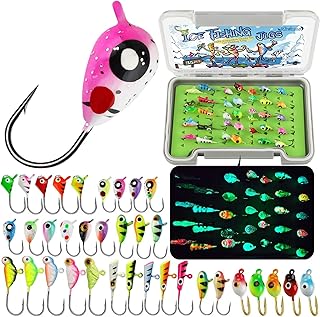
Stock tungsten jigs in 1/32–1/8 oz sizes, with 1/16 oz as your workhorse for most Erie walleye and perch situations; attach 1–2 inch plastics or live minnows for walleye and small fathead minnows or waxies for aggressive perch. In early ice near shore breaks you can fish slightly larger profiles and quarter-ounce tungsten when fish are deeper on the Central Basin humps. Keep a range of hooks and split-shot—perch respond to the lightest presentations while winter walleye sometimes demand a heavier bite-and-drop cadence.
Electronics and Power: find the fish, hold your spot, and run all day
A good flasher or CHIRP sonar is non-negotiable on Erie ice; you want a responsive unit to read short, heavy schools down 12–35 feet in the Central Basin. Carry a 12V sealed AGM or lithium battery with 25–50 Ah for a full day running a sonar and a heated shelter fan; LiveScope-style imaging is useful but unnecessary unless you’re marking individual fish in tight tournaments. Mount a transducer in a portable ice box or on a quick-mount for repeatable hole-to-hole checks across reefs and flats.
Safety and Comfort: ice gear you’ll actually use
You’ll wear a flotation coat or foam insert more often on Erie than you think—Western Basin ice forms early but can be inconsistent near currents; Central Basin holds thicker ice but has open leads. Carry ice picks, a 10–12 foot rope, and wear aggressive cleats; they save time when you’re running holes between schools. Heat-rated gloves, a breathable insulated suit, and a mid-size portable shelter make long sessions productive and keep you dialing presentations instead of shivering.
Frequently Asked Questions
What rod length is best for ice jigging walleye on Lake Erie?
Go 24–30 inches for most jigging—short rods give control on light jigs and precise hooksets. For deadsticking and tip-ups use longer 36–42 inch rods or purpose-built tip-ups when targeting big walleye on deep troughs.
Which line should I use for perch vs walleye under the ice?
Perch: 4–6 lb braid with a 4–6 lb fluoro leader for the lightest profiles and maximum sensitivity. Walleye: 6–10 lb braid with a 6–8 lb fluorocarbon leader to resist abrasion on rough bottoms while keeping detection sharp.
What jig sizes and baits work best through Erie ice by season?
Use 1/32–1/16 oz tungsten jigs early and often for perch and suspended walleye; move to 1/8 oz when targeting deeper or more aggressive walleye in mid-winter. Fish small softbaits or minnows for walleye and tiny plastics or deadsticked minnows for thick Western Basin perch schools.
How deep should I fish in the Western vs Central Basin in winter?
Western Basin often fishes shallower—start 10–20 feet along reefs and flats where perch stack and walleye feed on baitfish. Central Basin holds larger wintering walleye deeper—expect 18–35 feet on trough edges, humps, and sunken structure; use your sonar to refine depth quickly.
Do I need a LiveScope or is a simple flasher enough?
A flasher or CHIRP unit is enough for most Erie ice work and offers fast, actionable returns on schools and bait. LiveScope helps in tournament contexts or when you need to target single hooked-up fish in tight schools, but it’s an expensive upgrade rather than a must-have.
What battery and power setup should I bring for a full day on the ice?
Bring a 12V AGM or lithium battery in the 25–50 Ah range to run sonar and heated clothing for a full day; larger batteries if you run shelters and multiple devices. Pack a spare or charging option—cold reduces capacity, and mid-day electronics failure kills productivity.
Should I wear a life vest on Lake Erie ice?
Yes—wear a flotation coat or vest every time you’re on Erie ice. Current lanes and thin spots are common near the Western Basin shorelines and around islands; a flotation device plus ice picks and a rope are the baseline safety kit for any serious angler.
Conclusion
Pick gear that matches how you fish Erie—short, stiff jigging rods, low-diameter braid with fluoro leaders, a responsive sonar, and reliable tip-ups for deep trough work. Prioritize durability and portability so you can move from Western shallow flats to Central Basin humps quickly; a mid-range setup that covers jigging, deadsticking, and electronics will catch the most fish across seasons.


