

Comparing Walleye Lures Which Ones Work Best On La
You pick crankbaits, stickbaits, jigs, spoons, or plastics based on how walleyes are holding that day. In the Central Basin you’ll often need deep-running stickbaits or lead‑core rigs to reach fish holding on edges; in the Western Basin, shallow crankbaits and suspending stickbaits win when fish are tight to structure. For jigging and vertical presentations, tungsten jigs and heavy-profile spoons cut through current and cold water sluggishness better than oversized soft plastics. Don’t buy a lure because it’s popular — buy it because its action forces fish to commit in the specific water column you’re fishing.
Table of Contents
Our Top Picks
Affiliate disclosure: if you buy through these links, we may earn a commission at no extra cost to you.


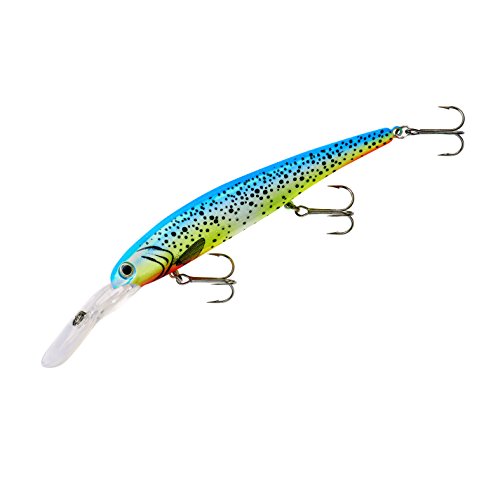
Factors to Consider
Lure Type and Action — match fish behavior, not just looks
Size, Weight, and Depth Control — get into the strike zone fast
Choose size and weight to consistently hold your lure in the strike zone: 3–4" stickbaits and 1/2–1oz spoons for trolling mid-depth, 1/8–3/8oz tungsten jigs for vertical work, and 2–3" soft plastics for perch imitation. Use inline weights, bottom bouncers, or lead‑core lines to dial in 8–25 feet in the West and 25–60+ feet in the Central Basin when thermoclines push fish deep. Match lure profile to trolling speed — smaller profiles for 1.0–1.6 mph, larger crankbaits for 1.6–2.2 mph — so you don’t fish above or below the school. Tournament anglers don’t guess depth; they measure and then buy gear that gets there repeatably.
Color, Finish, and Water Clarity — be local with your palette
Lake Erie water varies from tannic in the West to clear in the Central Basin, and your color choices should follow that gradient. In stained Western water use golds, chartreuses, and bright perch patterns; in clearer Central water go with natural hues and translucent finishes that mimic gobies and emerald shiners. In fall, walleyes lock onto high‑contrast patterns along windblown points and reefs, so keep a few high-visibility options for mixed light and low-angle sun. Finish quality matters — durable paint and UV coatings hold up through heavy snagging and tournament days.
Durability & Hardware — corrosion resistance and reliable hookups
Saltwater-grade split rings, chemically sharpened hooks, and epoxy finishes pay for themselves on Lake Erie tournaments and long charter days. Cold water and heavy cover on Erie chew up cheap hardware; opt for stainless or nickel-plated components and quick-change split rings so you can swap hooks without losing time. Check hook size and gap — long shanks and wide gaps improve hookup percentage when fish inhale baits in cold, sluggish eats. If you’re running planer boards or lead‑core, reinforce connection points with solid swivels and braid-to-fluoro knots to prevent abrasion failures.
Technique-Specific Setup — match rod, line, and lure to the job
Pick a rod and reel combo that complements the lure’s action: 6'6"–7' medium-light jigs for vertical work, 7' medium rods for stickbaits and crankbaits, and a stiffer 7'6" when running larger spoons or deep lead. Use braid 10–30 lb for sensitivity and immediate hookset, tied to a 10–20 lb fluorocarbon leader for abrasion resistance and invisibility in clear water. Speed control is everything—adjust your trolling speed to lure design and lake zone, and carry spares of the exact weights and leader lengths you use in the Western and Central Basins. Your rod and line must be part of the lure purchase decision, not an afterthought.
Frequently Asked Questions
What lures work best for fall walleye on Lake Erie?
In fall you want high-contrast stickbaits and medium spoons trolled along edges and points in 10–25 feet where fish move to feed. Slow-trolled jerkbaits and rattling crankbaits also trigger aggressive strikes during low-light windows. Carry a few tungsten jigs and perch-colored plastics for vertical presentations when schools push tight to structure.
How do I choose lure size for targeting perch versus big walleyes?
Perch-focused offerings mimic smaller profiles: 2–3" plastics, 1/8–1/4oz jigs, and small spoons. For larger walleyes step up to 3–5" stickbaits, 1/2–1oz spoons, and 1/4–3/8oz tungsten jigs depending on depth and current. Match profile to forage — when shiners are dominant, upscale your profile; when perch are prevalent, downsize and finesse.
What trolling speeds should I run for crankbaits and stickbaits on Erie?
Use 1.0–1.6 mph for smaller stickbaits and suspending crankbaits to keep them in the strike zone; 1.6–2.2 mph for larger cranks and spoons. Adjust speed downward in cold water when fish are sluggish, and speed up during bright, aggressive fall bites. Clocking your speeds with GPS and noting which lure-speed pairings work by basin will save you time during tournament runs.
Do I need different lures for the Western versus Central Basin?
Yes. The Western Basin is shallower and favors shallower profiles, bright colors, and quicker presentations; the Central Basin demands deep-running baits, lead‑core or down‑rig applications, and more natural finishes. Carry a two-basin kit and adjust leader length, weight, and color palette when you cross from one to the other. Fish move differently with thermocline shifts, and your lure selection should reflect that.
Are soft plastics effective for Lake Erie walleyes, and when should I use them?
Soft plastics are deadly when walleyes are keying on perch or small baitfish—use them on jigs during slow bites, vertical presentations, and in ice fishing. Rig 2–3" paddletails on 1/8–3/8oz tungsten heads for vertical jigging and drop-shot styles. In tournament situations, plastics can be the deciding factor when other profiles are getting refusals.
What jig weight and color work best for Erie ice fishing?
For ice fishing go with 1/16–1/8oz tungsten jigs tipped with a small plastic or a minnow in colors that match local forage — chartreuse‑white, perch patterns, or translucent shiner tones. Use lighter jigs in shallow bays and move up in weight near current holes or deeper shelf edges. Keep a selection of bright and natural hues; light conditions and water clarity change quickly through the season.
How often should I change hooks and split rings during tournament or charter days?
Inspect hooks and split rings daily and replace them the moment you see wear, corrosion, or stretching — that usually means swapping after every heavy day of fishing or every 8–12 hours of use in cold water. Tournament runs demand fresh, sharp hooks and fresh split rings; a lost fish under the scales is expensive. Carry a kit with pre-rigged replacements to keep downtime to a minimum.
Conclusion
Lake Erie demands a focused, basin-specific lure selection: carry stickbaits and crankbaits for trolling, tungsten jigs and spoons for vertical work, and a couple of realistic soft plastics for finesse situations. If you can only pick one setup for fall walleye, take a 3–4" suspending stickbait, a 1/4–3/8oz tungsten jig in perch colors, and a 1/2oz spoon — paired with braid and a fluorocarbon leader — and you’ll be competitive from the Western shallows to the Central Basin edges.


