Tackle Buying Guide: What to Look For in 2026


Tackle Buying Guide: What to Look For in 2026
⚡ Quick Answer
When you're on Lake Erie chasing walleyes, perch, or smallmouth bass, your gear makes all the difference. With new gear constantly hitting the shelves, knowing what to pick for 2026 keeps you ahead of the game. Whether you're trolling the Western Basin or jigging around Cleveland’s rocky structure, choosing the right tackle ensures you get results, not just gear clutter.
Every season changes how fish behave — colder water, shifting baitbeds, and changing depths — so your tackle has to be up to the task. This guide boils down the essentials, so you can zero in on gear that delivers bite after bite, every time you fish Lake Erie.
Table of Contents
Tackle Selection: Rods, Reels, and Lines
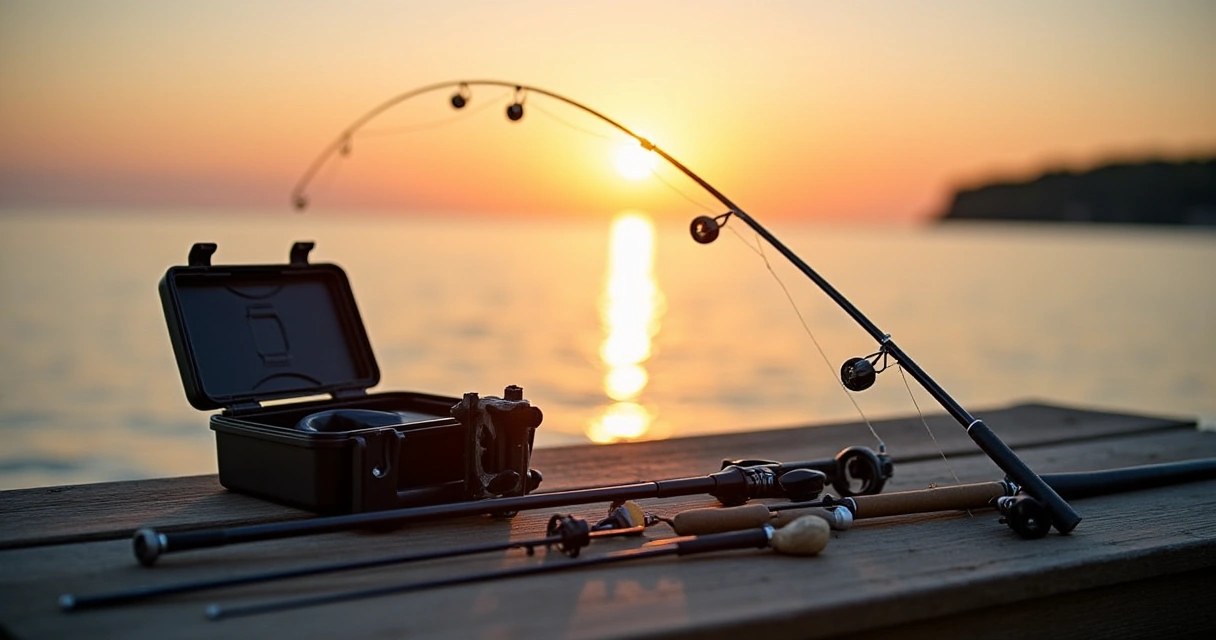
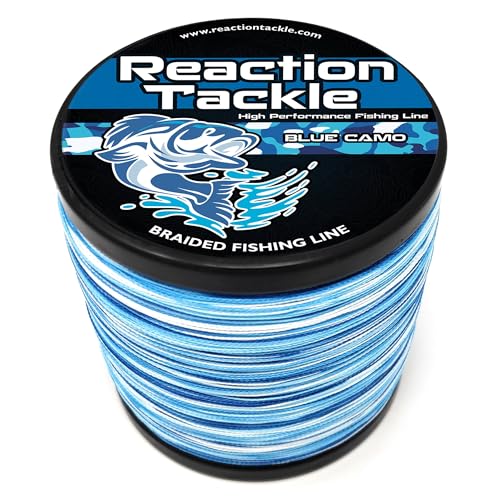
Choosing the right setup starts with understanding your target species and conditions. For walleye, you want sensitive rods that can detect subtle bites in deep water. A 6'6" medium-light rod with a fast tip offers excellent balance for jigging and trolling. When it comes to reels, spool capacity and drag smoothness matter. Go with a high-quality spinning reel in the 2500-range, capable of handling 10-20 lb braid for maximum sensitivity and durability in cold water. For perch, finesse counts. Use ultralight rods with sensitive tips — 6' rods rated for 2-6 lb line pull are common. Pair these with smooth spinning reels spooled with 4-8 lb test line, preferably hybrid or braid with fluorocarbon leaders. This combo enhances bite detection and minimizes line stretch, helping you land more perch in tight cover or around structure. Lines need to be tough: braided line resists cold and abrasion better than mono, and it has less stretch, which translates into more feel when you’re jigging or trolling. For cold Lake Erie water, pick brands with proven ice and freeze resistance. Tie on high-quality fluorocarbon leaders—lake’s clarity demands it for finesse presentations, especially when perch and walleye are sharp-toothed or wary.Life Vests and Safety Gear
Every trip on Erie demands reliable safety equipment. A Coast Guard-approved life vest isn’t optional. For trolling or jigging, look for a vest with adjustable fit, multiple pockets, and reflective accents—your gear needs to stay secure and accessible. Inflatable models are popular among experienced anglers for their comfort, but never skimp on how quickly they deploy. In colder months, layer your vest with thermal gear underneath. Consider a vest with built-in safety features like a whistle, personal locator beacon (PLB), or even impact-absorbing pads if you’re ice fishing or near heavy structure. On the boat, always have a throwable device within reach, and double-check your gear annually for compliance and integrity. Most importantly, wear your vest at all times when the engine’s running or if you're near open water when the weather changes unexpectedly. Lake Erie's weather can turn fast, and safety gear isn't just for show—it’s your lifeline in a pinch.Ice Fishing Gear for Lake Erie Winters
Lake Erie ice fishing requires specialized, durable gear designed for winter toughness and sensitivity. Start with a compact, insulated ice fishing shelter to stay warm—cold water combined with winter winds can be deadly if you’re not protected. Use 24-36 inch graphite jigging rods—light but strong enough to handle 1/8 to 3/8 ounce jigs. For reels, go with a quality spinning reel with smooth drag—ice and cold can cause reels to freeze or stiffen. Use braided line, around 8-10 lb test, with fluorocarbon leaders. In deep water, your primary goal is to detect faint bites, so sensitivity trumps everything. Make sure to carry a thermos of hot coffee, extra gloves, and a heater, but don’t forget safety: bring a spud bar and ice picks, and check the thickness regularly. When fishing for walleye or perch during winter, vertical jigging or live bait rigs bounced near the bottom are effective. Depths of 15 to 35 feet often yield consistent catches. Lake Erie’s central basin freezes reliably, so focus on areas near reefs, drop-offs, and sharp structures.Species-Specific Tackle: Walleye, Perch, & Bass
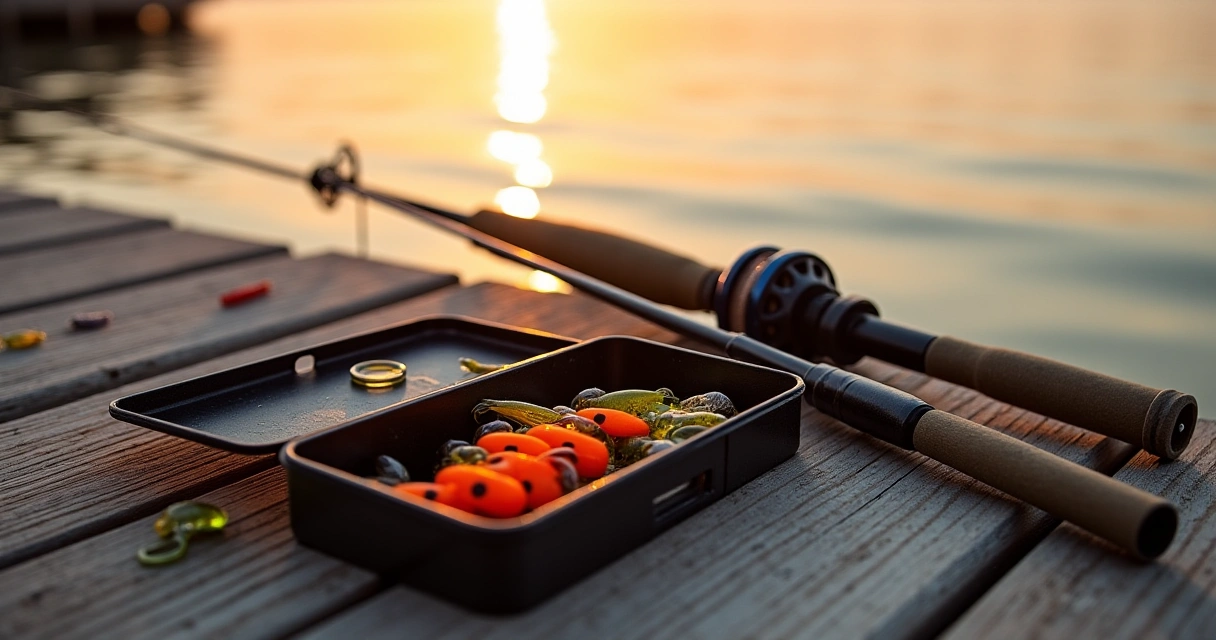
Walleye respond well to jigs and trolling baits in the 1/8 to 1/4 oz range, especially fished on bottom-bumping rigs or jigging spoons. Use soft plastics, temperament probing with live minnows, or deep-running crankbaits when trolling at 2-4 mph near reefs and humps. Your best depth varies by season—fall often beckons you to 20-30 feet; summer, 15-25 feet near weed lines. Perch are aggressive feeders in the fall and spring. Small jigs with waxworms, minnows, or spikes are money—use 1/32 to 1/16 oz setups in 10-20 feet of water around piers, rocky points, and dense weedbeds. They’re sensitive to subtle bites, so adjust your line for maximum feel. Largemouth and smallmouth bass on Lake Erie are more seasonal, generally peaking in warmer months. Use medium-action rods with 10-20 lb braid and 10-12 lb fluorocarbon for cover-oriented bass fishing. Soft plastics and swimbaits tossed around rocky or grassy shoreline structure deliver results in late spring and early summer. Knowing what each species prefers helps tailor your tackle—bottom contact rigs for walleyes, finesse jigs for perch, and moving baits for bass.Techniques & Recommended Gear by Season
In spring and fall, vertical jigging with slender spoons or soft plastics dominates for walleyes and perch, especially during peak migrations. During summer, trolling or casting crankbaits around weedbeds or structure becomes more effective — 1.8 to 3 mph speeds are key. Winter ice fishing transforms your approach. Vertical presentation with small jigs topped with live bait or plastics reigns supreme—stay patient, keep your line tight, and adjust your depth constantly based on fish activity. For bass, late spring to early fall means moving to jigging and creature baits around rocky points, submerged structures, and weedbeds. Trolling crankbaits or suspending shallow-diving jerkbaits also work well when fish are active on warmer days. Choosing gear for each season isn't just about species; it's about matching water temperature, depth, and fish activity. Stay versatile, keep your tackle sharp, and pay attention to Lake Erie’s shifting patterns.Frequently Asked Questions
What is the best line for Lake Erie walleye trolling?
High-quality braided line in 20-30 lb range with a fluorocarbon leader provides sensitivity, strength, and abrasion resistance needed for Erie’s rocky structure.
How do I choose the right jig size for perch?
Smaller jigs, typically 1/32 to 1/16 oz, work best for perch, especially in clear water or during high activity — match your bait and jig size to water clarity and perch size.
Is it better to ice fish with live bait or plastics?
Both work well, but live bait—such as minnows or spike worms—generally outperforms plastics for perch and walleyes in cold water, especially through the ice.
What reel capacity do I need for deep trolling?
Go with a reel that holds at least 200 yards of 20-30 lb braid. Deep trolling for walleyes, especially on the Western Basin humps, demands line capacity and smooth drag.
How do I stay safe during winter ice fishing?
Check ice thickness regularly, wear a floatation suit, carry ice picks, and never fish alone or beyond ice safety limits—Lake Erie’s winter can be unforgiving fast.
Matching your gear to Lake Erie’s conditions in 2026 means more bites, more fish on the deck, and a better overall experience. Invest in quality tackle, pay attention to seasonal shifts, and respect the unpredictable nature of this lake. Start with the gear outlined here, then adapt to your local patterns. The fish are waiting.