

How To Select The Best Summer Walleye Lures For La
By late June on Erie, walleye suspend at 25 to 35 feet in the Central Basin, pulled deeper by warming surface temps and light penetration. You need lures that reach and maintain those depths without constant adjustments—crankbaits with tight wiggle actions and 1.5 to 2.5 ounce slip sinker rigs work best here. In the Western Basin's shallower structure, you'll still find fish relating to weed edges and hard bottom at 15 to 22 feet; shallower-running cranks and controlled jigging become your primary tools. Don't waste time with lures designed for spring; summer patterns demand precision depth control and slower retrieves that match the reduced feeding aggression of warm water.
Table of Contents
Our Top Picks
Affiliate disclosure: if you buy through these links, we may earn a commission at no extra cost to you.
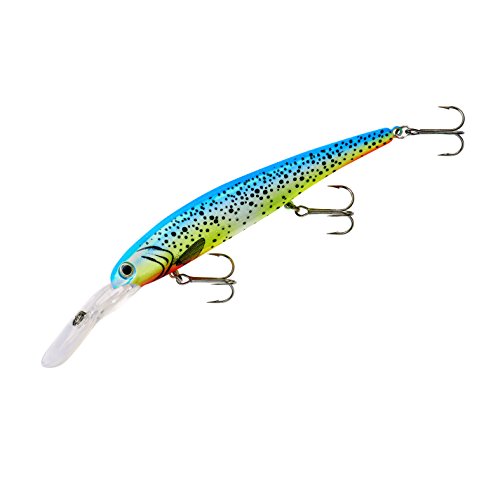


Factors to Consider
Match Your Lure Profile to Late June Walleye Positioning
Evaluate Color Selection Based on Water Clarity and Light Conditions
Erie's water clarity varies dramatically—Central Basin typically runs 8 to 12 feet of visibility mid-summer, while Western Basin can drop to 4 to 6 feet depending on algae blooms and sediment. Natural colors like perch patterns, chartreuse, and pearl dominate in lower-visibility Western water, but in clearer Central Basin depths, you'll get better results with more subtle forage matches and darker finishes. Early morning and late evening sessions call for brighter presentations; the midday doldrums around noon shift your selection toward colors that create silhouette and contrast at depth. Buy your summer lures in these three categories: vibrant for stained water, natural for clear conditions, and dark for low-light windows.
Prioritize Cold Water Durability and Realistic Swimming Action
Erie's summer water stays around 68 to 72 degrees Fahrenheit, which means your lures will spend entire days in genuinely cold conditions compared to other systems. Plastic crankbaits with tight, repeatable wobbles hold up better than loose-bodied designs that develop cracks and fail after hard use in cooler water. Check that your hardware—split rings, hooks, and bill attachment points—won't corrode or weaken during extended trolling sessions; stainless steel and quality plating matter more in summer than spring. Pick lures with proven track records on Erie; local tournaments generate reliable data on what actually catches fish rather than what sells best online.
Select Depth Capabilities That Match Tournament and Recreational Patterns
Tournament walleye on Erie in late June rewards lures that track true from 20 to 40 feet; a crankbait rated for 18 feet won't get you to the suspended fish sitting at 28 feet where schools actually hold. Slip sinker rigs with live bait or soft plastics give you unlimited depth control, but dedicated deep-diving cranks (rated 25+ feet) eliminate the need for additional weight and let you work structure more efficiently. If you're fishing the Western Basin's humps and shoals, you need versatility—bring both shallow cranks for 12 to 18 foot work and medium-divers for the transitions between flats and drop-offs. Your rod setup and lure selection should complement each other; mismatched combinations waste fuel and cost you tournament placements.
Balance Weight and Cast Distance for All-Day Comfort and Boat Coverage
Summer trolling demands endurance; lighter lures (under 0.5 ounce) tire your arm faster and reduce the distance you cover without additional weight, while oversized options (over 1.5 ounces) limit your casting range and finesse work. Three-quarter ounce cranks and jigs hit the sweet spot for most Erie anglers—they cast far enough to cover water, troll smoothly without constant corrections, and maintain enough sensitivity that you feel bottom contact and structure. When you're running 8 to 10 hour days from June through mid-July, equipment fatigue directly impacts your catch rate; choose lures you can work all day without shoulder strain.
Frequently Asked Questions
What's the best lure size for Lake Erie walleye in late June?
Three-quarter to one-and-a-quarter inch crankbaits and soft plastics dominate late June, matching the prevalent forage—young perch and shiners running that size class. Anything larger than 1.5 inches gets fewer strikes when water temps climb and walleye metabolism shifts; smaller presentations still work, but you'll lose efficiency and hook-up rates. Size consistency matters; pick one size range and stick with it so you develop feel and rhythm rather than chasing every option on the shelf.
Should I troll or jig for summer walleye on Erie?
Trolling covers water faster and keeps you positioned over suspended fish in the Central Basin's deeper structure—exactly where walleye sit in late June heat. Jigging works better when you locate specific structure like humps, hard bottom, or weed edges in shallower Western Basin zones where you can control vertical presentations. Most tournament anglers combine both; they troll to find active fish, then vertical jig when they locate a concentrated bite. Your fuel and time budget usually determines the split—faster trolling covers more water, but precise jigging catches more fish per hour once you've located them.
Do I need different lures for Western Basin versus Central Basin on Lake Erie?
Yes, fundamentally. The Western Basin's shallower, murkier water (12 to 22 feet average, 4 to 6 foot visibility) demands brighter colors, faster-diving profiles, and jigging-based presentations. Central Basin summer patterns require patient, deep-diving cranks and slip sinker techniques at 25 to 40 feet in clearer water where subtlety pays off. Tournament success on Erie requires owning lure selections optimized for both basins; bringing only Western Basin gear to a Central Basin event will cost you finishes.
What colors produce best for Lake Erie walleye in late June?
Perch patterns—silver/black/orange combinations—consistently outperform other options across both basins during summer because they match actual forage walleye target. Chartreuse and white work well in lower-visibility Western water and early-morning sessions everywhere on Erie. By mid-summer, natural finishes (bone, pearl, subtle two-tones) produce as well as bright options in clear Central Basin water where finesse matters more than visibility. Your tackle box should hold perch, chartreuse, and natural options in equal quantity; buying exclusively by trend wastes money.
Can I use spring lures for summer walleye, or do I need different equipment?
Spring lures often run too shallow and feature erratic action profiles that don't match summer walleye behavior; you'll catch fish, but you'll miss tournament placements and tournament paydays. Summer demands deliberate, controlled presentations at locked-in depths—characteristics spring lures sacrifice for the high-action triggering needed when walleye are aggressive in cool April water. Invest in summer-specific lures rated for 20+ foot depths; the cost difference between spring and summer-designed equipment pays for itself in one tournament.
How do I know if a crankbait will actually reach the depth I need on Lake Erie?
Manufacturer depth ratings are starting points, not guarantees; a crankbait rated for 18 feet might only hit 15 feet under real trolling conditions depending on line diameter, trolling speed, and boat angle. Test your lures in your specific setup before tournaments—mark depth on your electronics and verify actual performance rather than trusting packaging. Watch videos of other Erie tournament anglers and join local fishing forums where captains share verified depth data for specific lures; that intel is worth more than any retailer's marketing claim.
Conclusion
Late June walleye on Lake Erie respond to depth-specific, color-matched presentations that acknowledge the stark differences between your Western and Central Basin options. Your summer lure selection should balance durability, realistic swimming action, and proven tournament performance—not trendy social media hype or generic "all-purpose" claims. Invest in perch-pattern cranks rated for 20 to 40 feet, grab bright backups for stained water, and commit to learning how your specific lures perform in your boat before the money tournaments start.


