

How To Choose The Right Walleye Landing Nets 2026
When you’re fighting a 20-inch Lake Erie walleye off Presque Isle or battling through the chop of the Central Basin, your landing net isn’t just an accessory—it’s the final gatekeeper of your harvest. I’ve seen too many tournament anglers lose points because they brought a flimsy aluminum hoop that bent on impact or a rubber mesh that shredded a perch’s protective slime coat. Choosing the right net requires understanding water clarity, fish size, and the specific rigging demands of your season.
Our Top Picks
Affiliate disclosure: if you buy through these links, we may earn a commission at no extra cost to you.

Table of Contents
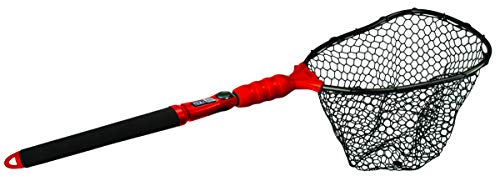
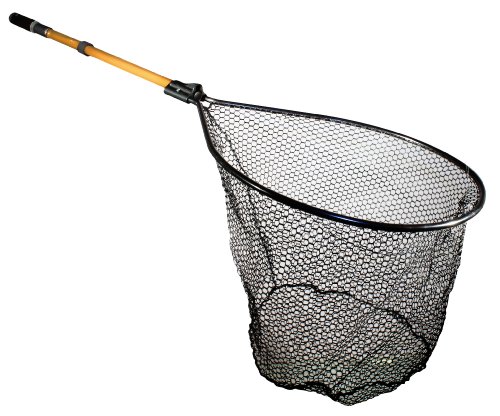
Quick Answer
For Lake Erie walleye and perch, select a long-handled net with a rubber or knotless mesh to preserve fish health and prevent hook tangles. Prioritize a wide hoop (at least 18 inches) for easier scoop angles in rough water. If you are ice fishing, opt for a shorter handle with a smaller, durable hoop that fits through standard auger holes.
Net Mesh Material: Rubber vs. Knotless Nylon
The mesh material dictates how you handle the fish once it’s in the water. On Lake Erie, where we often target walleye and yellow perch for both table fare and tournament points, slime coat preservation is critical. Standard knotless nylon mesh is fine for catch-and-release bass, but it can be abrasive on the delicate scales of a large Erie walleye.
I recommend rubber-coated or fully rubberized mesh for your primary boat net. This material reduces friction, keeping the fish calm during the lift. It also prevents hooks from getting snagged in the weave, which is a common frustration when you’re trying to free a treble hook quickly in heavy current. Rubber nets are easier to clean off algae and bait residue after a long day on the water.
Handle Length and Reach for Boat Fishing
Most anglers underestimate the leverage needed when fighting fish in choppy conditions. A standard 36-inch handle is insufficient for most Lake Erie charters or tournament boats. You need reach to keep your upper body out of the way of swinging rods and to scoop from a safe distance.
A telescoping handle that extends to at least 48 inches, and ideally up to 54 inches, provides the necessary angle. This length allows you to land fish from the gunwale without leaning over the side, which is crucial for balance in rough water. When the wind picks up off the Central Basin, that extra foot of reach can mean the difference between a clean scoop and a lost fish.
Ensure the telescoping mechanism locks securely. I’ve seen cheap aluminum sections wobble under the weight of a 10-pound walleye, causing the net to dip at the worst moment. Look for carbon fiber or high-grade aluminum with positive-locking collars that won’t slip when wet.
Hoop Size and Shape for Different Species
The geometry of your net hoop matters more than you think. For walleye, a wider hoop (18 to 20 inches) is superior because it offers a larger target area. Walleye can be skittish and may dart sideways as they approach the boat; a wide net minimizes the chance of them slipping out the back.
For yellow perch, which are smaller and often caught in schools, a slightly smaller hoop (14 to 16 inches) is more manageable. It reduces weight and allows for quicker retrieval. However, if you are targeting trophy bass or large pike that share these waters, stick with the wider 18-inch minimum to accommodate their girth.
Around-shaped hoops are generally better than triangular ones for boat fishing. They distribute stress evenly across the frame and allow you to approach the fish from any angle without catching the net on the gunwale. Triangular nets are useful for shore fishing but cumbersome in a confined cockpit.
Ice Fishing Specifics: Short Handles and Durability
Ice fishing on Lake Erie requires a completely different approach to net selection. The confined space of an ice house or the narrow opening of an auger hole makes long handles useless. You need a compact, durable unit that fits through a 7-inch hole.
Look for ice nets with short, fixed-length handles (around 12 to 14 inches) and a robust hoop made of steel or thick aluminum. The water under the ice is clear, and walleye are often wary; a bulky net can spook fish in the hole before you even scoop them.
Durability is key here. Ice nets take a beating against sharp edges and cold temperatures. Avoid plastic components that become brittle in sub-zero weather. A steel hoop with a rubber or heavy-duty nylon mesh will withstand the abuse of dragging it across ice for hours without cracking or bending.
Attachment Systems and Rod Compatibility
How you carry your net is just as important as the net itself. Most tournament anglers use a rod holder-mounted net clip. Ensure your net has a compatible eyelet or loop at the base of the handle that fits standard rod holders.
If you prefer a lanyard, choose a braided nylon cord with a quick-release buckle. This allows you to drop the net instantly if you need both hands free for a critical hook set or to manage a tangled line. Never tie your net directly to the boat; it will get lost overboard in seconds.
Consider the weight of the entire assembly. A heavy net can pull on your rod holder, potentially damaging the mount or causing the net to swing into your gear. Balance is essential for quick deployment when a fish hits the bottom structure.
Frequently Asked Questions
What size net do I need for Lake Erie perch?
A 14- to 16-inch hoop is ideal for perch. It’s small enough to maneuver quickly in schools but large enough to catch them reliably without excessive struggle.
Should I use a rubber or nylon net for walleye?
Rubber is preferred for walleye because it protects their slime coat and prevents hook tangles. Nylon can be used, but it requires more care to avoid damaging the fish.
Can I use a boat net for ice fishing?
No, standard boat nets are too long and bulky for ice holes. Use a dedicated ice net with a short handle that fits through your auger hole.
How do I prevent my net from rusting?
Rinse your net thoroughly with fresh water after every trip, especially in saltwater or brackish areas. Dry it completely before storing to prevent corrosion on metal components.
What is the best handle length for a center console boat?
A telescoping handle that extends to 48-54 inches is best for center consoles, providing enough reach to land fish from the gunwale without leaning over.
Selecting the right landing net is a small investment that pays dividends in fish retention and handling efficiency. By matching your net to the specific species, season, and fishing method you employ on Lake Erie, you ensure that every fish you hook has a chance of making it into the boat safely. Inspect your current gear before your next trip, and upgrade to a durable, species-appropriate net if yours is showing signs of wear.


