

How To Choose The Right Walleye Jigging Rods 2026
Choosing the wrong rod for Lake Erie walleye is like bringing a sledgehammer to a watchmaker’s bench. You will feel every strike, but you’ll miss half of them because your gear lacks the sensitivity or backbone required for our specific conditions. Whether you are chasing deep-water giants in the Central Basin or hunting tight schools in the Western Basin, your rod dictates your success rate more than any lure ever will.
Our Top Picks
Affiliate disclosure: if you buy through these links, we may earn a commission at no extra cost to you.
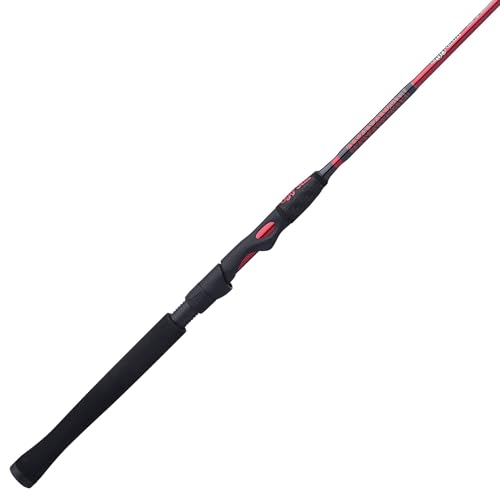
Table of Contents
Quick Answer
Aim for a medium-light to medium power rod with fast action and sensitive graphite construction. A seven-foot length offers the best balance of casting distance and hook-setting leverage. Prioritize rods with cork handles for cold-water grip and a blank that transmits subtle bottom structure changes.
Understanding Power and Action
Power refers to the rod’s resistance to bending, while action describes where it bends along the blank. For Lake Erie walleye, you need a medium-light or medium power rating. Heavy rods are for musky or deep-water catfish; they lack the finesse needed when fish are feeding on small minnows or leeches in clear water. A medium-light rod loads up perfectly with light jigs, allowing you to work lures at precise depths without spooking the school. Action is equally critical. Fast action rods bend primarily in the top third of the blank. This design provides quick hook sets and excellent sensitivity. When you are jigging down 40 feet in the Central Basin during a fall front, that tip movement tells you everything about bottom composition. A moderate action rod would absorb those subtle taps, leaving you guessing whether a fish is bumping your bait or taking it hard.The Case for Seven-Foot Lengths
Seven feet is the sweet spot for Lake Erie walleye jigging. Shorter rods under six feet limit your casting distance and reduce leverage when setting hooks in deep water. Longer rods over seven-and-a-half inches can become cumbersome on a crowded charter boat or a tight ice shanty. A seven-foot rod gives you enough line control to manage drift while maintaining direct contact with the lure. This length also helps keep your line off the bottom structure. When jigging around shale beds in the Western Basin, a longer rod lifts the line higher above the rocks. This reduces snags and allows for a wider sweeping motion when you are trying to entice a hesitant fish. You get better clearance without sacrificing the sensitivity of a shorter stick.Blanks, Guides, and Sensitivity
Graphite is non-negotiable for modern walleye jigging. Fiberglass blanks are too slow and dull; they cannot transmit the vibration of a fish striking a small bait. Look for high-modulus graphite that balances sensitivity with durability. The blank must be stiff enough to drive the hook point home but flexible enough to absorb the runs of a fighting walleye. Guide placement matters more than you think. Small, lightweight guides reduce friction and allow light lures to cast further. Ceramic inserts are standard, but look for aluminum oxide or silicon carbide coatings for better durability in sandy conditions. The first guide (stripping guide) should be large enough to handle line capacity but small enough to maintain sensitivity.Handle Materials and Ergonomemics
Cork handles are superior to foam or rubber in cold water. Cork retains warmth and provides a secure grip even when your hands are wet or gloved. Foam absorbs water and becomes heavy, while rubber can become slippery in freezing temperatures. A well-shaped cork handle allows you to cradle the rod comfortably during long hours of jigging on deck. The butt section should also be designed for comfort. When you are fighting a fish off the side of a boat, the pressure against your hip or thigh can become painful quickly. Look for rods with contoured grips that distribute weight evenly. A lightweight reel seat is also essential to balance the rod properly. An unbalanced rod causes fatigue faster than any other factor.Matching Rod to Technique
Your technique dictates your specific rod needs. For vertical jigging in deep water, a sensitive tip is paramount. You need to feel the difference between hitting shale, sand, or weed edges. A rod with a hollow tip or specialized composite construction can amplify these vibrations without sacrificing backbone. For shallow-water fishing in the Western Basin during spring, you might prefer a slightly stiffer medium power rod. This allows you to cast heavier jigs further and pull fish out of weeds quickly. The key is versatility. Most charter captains carry two jigging rods: one ultra-sensitive for deep water and one slightly stiffer for shallow structure. Both should share the same seven-foot length and fast action profile.Frequently Asked Questions
What line weight is best for a walleye jigging rod?
Most Lake Erie walleye rods are rated for 4-10 pound test line. This range provides enough strength to fight fish while remaining sensitive to light bites.
Should I use a spinning or casting rod for jigging?
Spinning rods offer better sensitivity and are easier to manage on ice. Casting rods provide more leverage for heavy lures but can be cumbersome in tight spaces.
Is a stiff backbone necessary for walleye?
A moderate backbone is ideal. It allows you to set hooks firmly without tearing the mouth, while still letting the rod flex to absorb runs.
How do I know if my rod is too stiff?
If you struggle to feel light taps or if your hooks are being pulled from fish mouths, the rod is likely too stiff for your technique.
Can I use one rod for both ice and open water?
Yes, a seven-foot medium-light fast action rod works well in both environments. Just ensure the handle material performs in cold temperatures.


