

How To Choose The Right Walleye Fishing Sonar Units 2026
By Mike Caruso
You don’t win tournaments on Lake Erie by guessing where the walleye are holding. You win them by seeing the structure before you drop your bait down. In 2026, the gap between a basic fishfinder and a true mapping tool is wider than ever. If you are chasing deep-water schools off the Marblehead or ice fishing over the sandbars in the Central Basin, your sonar isn’t just a luxury—it is your primary weapon. Choosing the wrong unit means missing the mark by three feet when you need to be precise.
Our Top Picks
Affiliate disclosure: if you buy through these links, we may earn a commission at no extra cost to you.
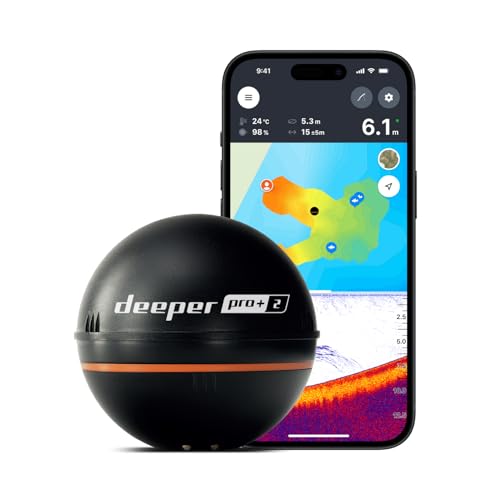
Table of Contents
Quick Answer
For Lake Erie walleye fishing, prioritize a unit with CHIRP DownVision or SideScan imaging and built-in GPS mapping. You need high-resolution sonar to distinguish between hard sand and soft mud at depth. Look for dual-channel capability to run a transducer on the trolling motor while keeping a traditional foot pedal for jigging. Ensure the screen is bright enough to read in direct Western Basin glare.
Why Standard Sonar Fails on Lake Erie
Most anglers buy sonar units designed for freshwater lakes with clear water and shallow weed lines. Lake Erie is different. The water is often stained from runoff, and the bottom structure is complex. A standard 2D sonar unit will show you a blob where the fish are, but it won’t tell you if that blob is a school of perch or just debris on the bottom.
In the Western Basin, we deal with heavy algae blooms that scatter traditional sonar signals. You need high-frequency CHIRP technology to cut through that noise. Without it, your display will be cluttered with false readings from suspended particles. This is especially critical when you are trolling crankbaits along the reef edges near Put-in-Bay.
Imaging Technology: DownVision vs. SideScan
You need to choose between seeing directly under your boat or scanning the area around you. For walleye, both are essential, but they serve different phases of the trip. DownVision gives you a high-resolution picture of what is hanging in the water column and what is on the bottom right below you. This is vital when you are vertical jigging for perch in the Central Basin.
SideScan, or Side Imaging, sweeps out to 200-400 feet depending on depth. This allows you to scout large areas of sandbars without moving your boat. You can spot a drop-off or a rocky point before you ever cast a line. On Lake Erie, walleye often hold just off the edge of these structures. SideScan lets you find that edge from fifty yards away.
Mapping and GPS Integration
Fishing without detailed maps is like driving blindfolded in a familiar neighborhood. Lake Erie’s structure changes due to wind and wave action, but the hard bottom features remain constant. A unit with built-in GPS and support for high-resolution mapping files (like Navionics or C-MAP) is non-negotiable.
You need to mark your spots accurately. When you find a school of walleye holding at 25 feet, you need to save that exact coordinate. In 2026, look for units that allow you to overlay sonar images onto the map. This feature lets you see the bottom structure exactly where you caught the fish. It saves hours of scouting time on your next trip.
Screen Clarity and Transducer Compatibility
The screen is your window into the water. A dim or low-resolution screen will cause you to miss subtle bites. Walleye often suspend just off the bottom in cold water. You need a crisp image to see those fish clearly. Look for units with at least 7 inches of screen real estate and high brightness ratings (1000 nits or more) to combat the glare on the open lake.
Transducer compatibility is equally important. Ensure your unit supports both traditional sonar and modern imaging frequencies. Many anglers use a dual-mount setup: a transducer on the trolling motor for scanning and a foot-pedal transducer for jigging. Check that your new unit can handle this dual-input configuration without losing data.
Ice Fishing Specific Requirements
Winter on Lake Erie brings its own challenges. The ice can be thick, but the walleye are shallow. Your sonar unit needs to be rugged and easy to use with gloves. Look for large buttons and a touchscreen that works even when wet or icy.
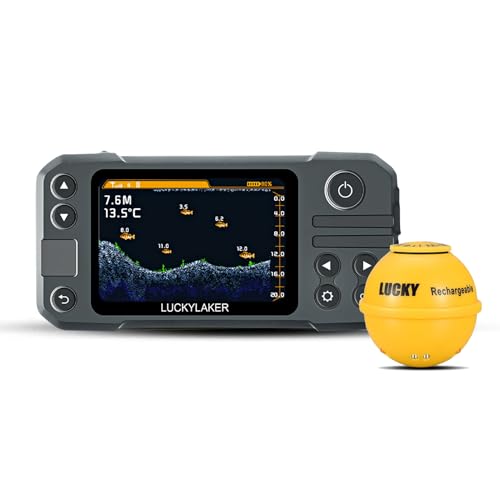
For ice fishing, portability is key. A smaller, battery-powered unit is often better than a large console model. You need to carry it across the ice and set it up quickly in your shelter. Ensure the unit has excellent low-power consumption so it lasts through long days on the ice.
Frequently Asked Questions
Do I need a 4kW sonar for Lake Erie?
No. 4kW is designed for deep ocean fishing. For Lake Erie’s max depths of 100-150 feet, standard CHIRP and imaging frequencies are more than sufficient and provide better resolution.
Can I use my open-water sonar for ice fishing?
Yes, if it supports an ice transducer. You cannot use the same transducer head for both. You must purchase a separate ice-specific transducer that fits through your hole.
What is the best frequency for stained Erie water?
Higher frequencies (800kHz-200kHz) provide better detail in stained water. Lower frequencies travel farther but lack the resolution needed to identify walleye in murky conditions.
Is a touchscreen necessary for fishing?
Not strictly, but it is convenient. Many captains prefer physical knobs and buttons because they are easier to use with wet hands or gloves on the ice.
How important is GPS accuracy?
Critical. Lake Erie reefs can be narrow. A 10-foot error in your GPS mark can mean missing the entire structure and losing a day of fishing.
Choosing the right sonar unit for Lake Erie is about matching the technology to the environment. You need clarity, mapping, and durability. Invest in a unit that gives you real data, not just pretty pictures. Get out on the water, test your setup, and start catching more fish.


