

How To Choose The Right Trolling Rod Holders 2026
You spend thousands on your trolling setup, but if your rod holders fail under pressure, that investment vanishes. Lake Erie’s current can be deceptive, pulling gear sideways with surprising force during a walleye run or bass bite. I’ve seen anglers lose their best rods because they skimped on the hardware holding them in place. Choosing the right holder isn’t about looks; it’s about survival and keeping your baits exactly where the fish are biting.
Quick Answer
For Lake Erie trolling, prioritize heavy-duty stainless steel track mounts over deck-mounted clamps. Use a combination of side-rider holders for downrigger lines and reinforced transom mounts for planer boards. Ensure all hardware is rated for at least 50-pound test line tension to handle the sudden runs of big walleye in the Western Basin.
Table of Contents
Our Top Picks
Affiliate disclosure: if you buy through these links, we may earn a commission at no extra cost to you.

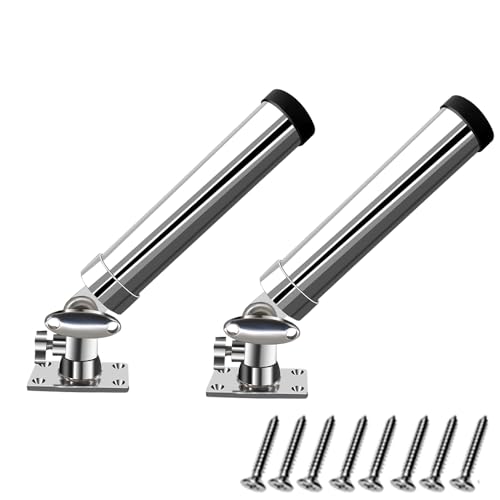

Track Systems vs. Deck Clamps
Deck-mounted clamps are convenient for quick setups, but they lack the rigidity needed when you’re fighting a 6-pound walleye in choppy water. I recommend drilling into your gunwale and using a track system. This distributes the load across a wider area of the boat’s structure. When a fish makes a sudden run toward the propeller, a clamp can twist or rip through the fiberglass. A track mount holds firm. You need to decide between fixed-position holders and adjustable arms. Fixed positions are simpler and less prone to mechanical failure. Adjustable arms allow you to change your trolling depth quickly without moving the entire rod. For tournament fishing in the Central Basin, I prefer adjustable arms on the front corners for planer boards. This lets me adjust the spread while keeping my hands free.Material Matters: Steel vs. Aluminum
Lake Erie is a saltwater environment, even in the freshwater basin. Corrosion is your enemy, especially near the industrial ports of Ohio and Michigan. Stainless steel is non-negotiable for any hardware that touches the water or gets splashed regularly. Look for 316 marine-grade stainless steel. It resists pitting far better than cheaper 304 grades. Aluminum holders are lighter and won’t rust, but they can corrode galvanically if connected directly to steel tracks without isolation washers. I use aluminum arms on the inside of the boat where splash is minimal. This saves weight and reduces fatigue during long days. The exterior mounts, especially those near the downriggers, get stainless steel every time. The finish matters too. Anodized aluminum holds up well if kept dry. Powder-coated steel can chip, exposing the base metal to rust. Inspect your holders before every trip. A small scratch is a starting point for corrosion that will weaken the holder over time.Positioning for Walleye and Bass
Your rod holder placement dictates your trolling efficiency. For walleye in the Western Basin, you often troll deep, near the thermocline. Place your primary holders on the rear corners of the boat. This keeps the lines away from the propellers and allows for a wider spread. Use side-rider holders that slide along the gunwale. They keep the rod tip low when not in use but lift it quickly when a fish strikes. For smallmouth bass in the rocky shoals, you need quick reaction times. Bass hit hard and fast. Mount your holders slightly forward of the rear corners. This gives you more leverage to set the hook before the fish reaches the boat. Avoid placing holders too far back on the transom unless you are using a specialized trolling motor mount. The wake from the main engine can cause line slap, spooking wary bass.Ice Fishing Rod Holders
Trolling gear is useless when the ice forms. Switching to ice fishing requires different holders that can handle extreme cold and brittle materials. Standard plastic holders crack in sub-zero temperatures. Use metal or hardened polymer rods designed for ice. These fit into auger holes or pre-drilled spots on the ice surface. For ice fishing, you need stability above all else. The ice can be uneven, causing rods to tip over. Use a wide-base holder that sits flat on the ice. Some anglers prefer holders with a clamp that attaches to the side of the ice hole. This keeps the rod upright and prevents it from falling into the water if bumped. When fishing for perch through the ice, you need sensitivity. A holder that dampens vibration will hide bites. Choose a holder with a smooth, low-friction guide eye. This allows you to feel the subtle nibbles of yellow perch without interference from the holder’s mechanism. Keep your holders clean and free of snow buildup to ensure they seat properly in the ice.Maintenance and Corrosion Control
Freshwater doesn’t mean no maintenance. Lake Erie has high mineral content in certain areas, especially near the Maumee Bay mouth. Rinse your boat and all hardware with fresh water after every trip. This removes salts and debris that accelerate corrosion. Apply a silicone-based lubricant to the moving parts of adjustable holders. This prevents them from seizing up in cold weather. Inspect the threads on all bolts and screws regularly. Use anti-seize compound on stainless steel threads to prevent galling. Galled threads are difficult to remove and often break when you try to tighten them. Replace any holder that shows signs of structural fatigue. A cracked weld or bent arm is a safety hazard. Don’t wait for it to fail while you’re fighting a big fish.Frequently Asked Questions
Can I use aluminum holders on the outside of my boat?
Yes, but only if they are isolated from steel tracks with plastic washers to prevent galvanic corrosion. Stainless steel is safer for exterior mounts.
What is the best angle for trolling rod holders?
A 15-degree upward angle is ideal. It keeps the rod tip high enough to avoid hull contact but low enough to maintain leverage during a fight.
Do I need special holders for ice fishing walleye?
Standard trolling holders won’t work on ice. Use dedicated ice rods with wide-base holders that sit flat on the ice surface to prevent tipping.
How often should I replace my rod holder hardware?
Inspect them before every trip. Replace any hardware showing pitting, cracks, or stripped threads immediately. Do not wait for a failure during a bite.
Are side-rider holders better than transom mounts?
Side-riders are generally better for trolling as they keep lines away from the propellers and allow for easier adjustment of the spread. Transom mounts are useful for specific deep-water techniques.
Your rod holders are the foundation of your trolling success. Choose hardware that matches the harsh conditions of Lake Erie. Prioritize stainless steel, proper positioning, and regular maintenance. This approach will keep your gear intact and your baits in the strike zone. Get it right, and you’ll catch more fish.


