How to Choose the Right Tackle
Getting your tackle dialed in makes all the difference on Lake Erie. Whether you're chasing walleye in the spring, perch in the fall, or bass year-round, the right gear ensures you capitalize on every bite. Over years of guiding and tournament experience, I’ve seen seasoned anglers stumble because their tackle didn’t match the conditions or target species.
This guide cuts through the confusion. I’ll walk you through selecting rods, reels, lines, and accessories tailored to Erie’s unique environment. No fluff — just practical, actionable details to boost your success in any season or basin. Let’s get your gear working for you, not against you.
Table of Contents
Understanding Your Target Species and Conditions
Lake Erie’s diverse fishery demands a tailored approach. Walleye prefer the Western Basin in fall when they settle into deeper humps and drop-offs between 15 and 30 feet, especially during daylight. Perch thrive in nearshore rocky reefs and basin depths around 20-40 feet, especially in cooler months when their schools gather. Bass are more mobile, often hiding around rocky points, weed beds, and submerged structures—perfect for soaking plastics or tossing crankbaits.
Deciding what to target shapes your tackle choices. Walleye are sensitive to water clarity and cold; they respond best to finesse tactics like live bait rigs or slow trolling with crankbaits. Perch respond strongly to small jigs and minnows near structures. Knowing the basin conditions — whether wind-blown flats or calmed harbors — helps you dial your gear for maximum presentations and bites.
Choosing the Right Rods and Reels
Durability and sensitivity matter when battling Erie walleyes or perch in tough conditions. For trolling, I prefer stout graphite rods between 6'6" and 7' with fast action tips. They give you the backbone needed for big fish and the sensitivity to detect light bites during slow retrieve.
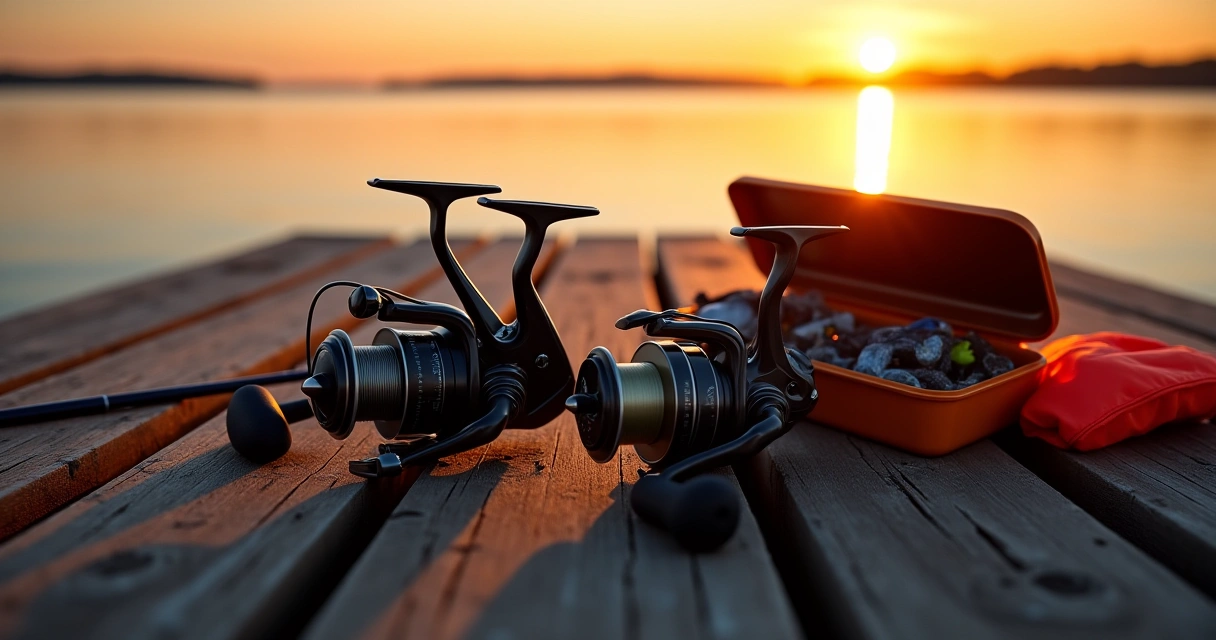
Jigging calls for mid-power rods around 6' with a backbone to handle sudden strikes. A sensitive tip helps you detect subtle bites, especially during cold water seasons. Reel selection should match your rod: for trolling, a quality baitcasting reel with a smooth retrieve is ideal, capable of holding enough line and managing fast, steady reeling. For jigging and ice fishing, a spinning reel with a smooth drag and good line capacity ensures reliability when fighting perch or walleye.
Line Selection and Terminal Tackle
Opt for high-quality braid for trolling and jigging — it’s less affected by cold water and gives superior sensitivity versus monofilament. A 20-30 lb braid paired with a fluorocarbon leader (around 8-12 lb test) offers a stealthy presentation. Fluorocarbon’s low visibility is key for finicky walleye and perch.
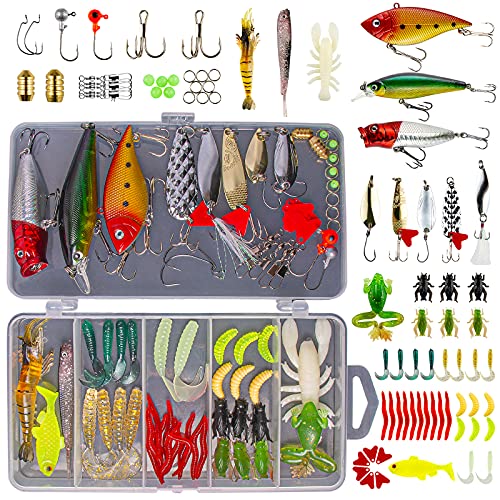
For ice fishing, a 4-8 lb test monofilament or fluorocarbon line with a sensitive jigging rod is essential. You want enough stretch to absorb nasty strikes but enough sensitivity to feel the light taps typical of Erie perch and walleye during winter. Terminal tackle should include sharp hooks (UnderSpool hooks or very sharp gamakatsu), small jigs in 1/8 oz or less, and live bait rigs like #4 or #6 hooks with plastics or live minnows.
Ice Fishing Tackle for Walleye and Perch
Ice gear needs to be tough and precise. Rods should be 24-36 inches — sensitive enough to detect bites, stout enough to handle big Erie perch or fair-sized walleye through the hole. Pair them with compact spinning reels loaded with 4-8 lb fluorocarbon or braid for increased sensitivity and lure control.
Cold water rigorously tests gear. Brands like Frabill, Aqua-Vu, and Jigging Master make ice-specific tackle built for Erie’s conditions. Use rattle jigs or glow plastics to draw bites near the bottom. Dipping your bait into a bit of wax worms or spike increases your hookup ratio. For perch, focus on perch-permitting jigs in the 1/32 to 1/16 oz range, and keep your presentation vertical and slow.
Gear for Bass and Multi-Species Success
Bass rigs on Erie are often geared for versatility—rocky points, weed beds, or when trolling for smallmouth, use light to medium spinning gear capable of handling typical cover but sensitive enough to detect bites. For smallmouth, plastics, jigs, and creature baits work well around rocky structures and submerged humps.
Many anglers use swimbaits or crankbaits in clear water, especially in summer and fall. Trolling small, shallow-running crankbaits at 1.5 to 3 mph covers a lot of ground quickly and improves your odds of scoring bass or migrating fish in transitional periods. Keep your gear light but robust enough for sharp blows and aggressive strikes.
Additional Gear and Accessories
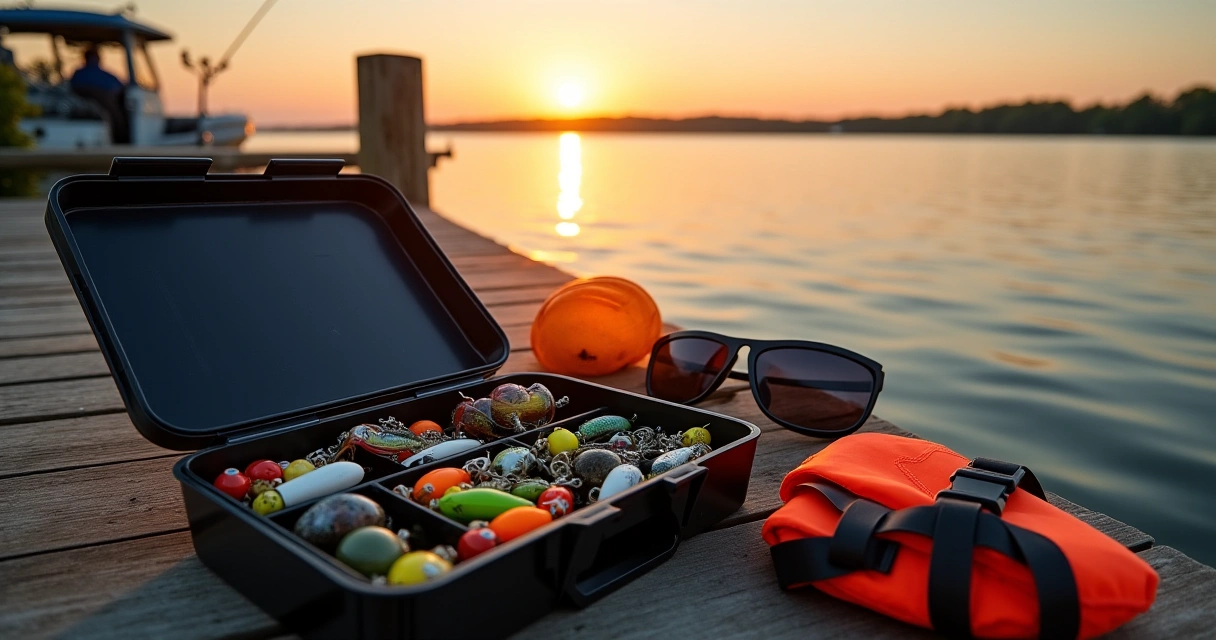
Safety first on Erie — always wear a life vest if you’re trolling or fishing from a boat, especially in windy conditions or near open water. Invest in a good set of polarized sunglasses to cut glare, helping you spot structure and fish holding tight. A quality fish finder accelerates locating beds, reefs, and schools, saving you precious time.
Don’t forget pliers, de-hookers, and extra line in your boat bag. When ice fishing, bring a heated chair, hand warmers, and a durable tackle box that can endure the cold. Classic Erie accessories like scoops for perch and bait buckets keep everything organized and accessible at all times.
Frequently Asked Questions
What’s the best line for trolling walleye on Erie?
High-quality braid paired with a fluorocarbon leader offers sensitivity and minimal water absorption, ensuring you can detect bites in Erie’s clear waters.
How deep should I fish for perch in fall?
Target depths between 20 and 40 feet near rocky reefs and structures, adjusting based on water clarity and fish activity.
What gear is best for ice fishing perch and walleye?
A 24-36 inch sensitive rod with a small jig or glow plastic is ideal, paired with light line and a good sonar flasher to locate schools.
What reel ratio is best for jigging Erie walleyes?
A 5:1 or 6:1 gear ratio reel provides a good balance of quick line retrieval and control during cold weather fights.
Can I fish Erie bass year-round?
Absolutely. Focus on rocky points and weed beds with plastics or crankbaits, shifting tactics seasonally but maintaining a solid finesse approach during colder months.
What must-have safety gear should I take?
Always wear a life vest, carry a whistle or signaling device, and have emergency supplies in case conditions turn rough fast.
Choosing the right tackle on Lake Erie boils down to understanding your target species, basin conditions, and season. Focus on durable, sensitive gear tailored for Erie’s cold, clear waters and unpredictable weather. Proper gear makes every trip more successful, reducing frustration and boosting your catches. Now, get your setup dialed, prep your boat or ice gear, and start crushing limits out there.