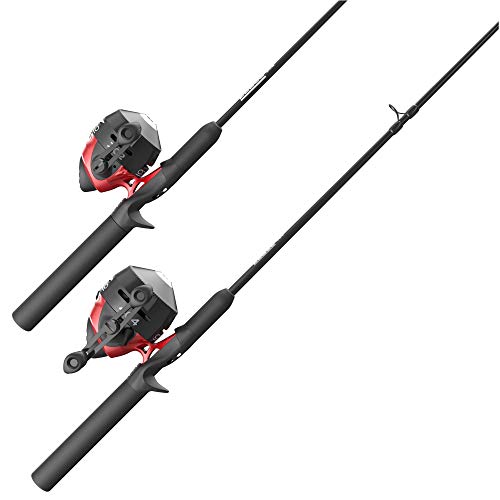
How to Choose the Right Rods
Table of Contents
Introduction
Understanding Your Needs
To choose the right rods, you need to understand your needs. Are you going to be trolling, jigging, or using a drift-fishing technique? Each of these techniques requires a different type of rod. Additionally, do you plan to use live bait or lures? Your choice of bait will also influence the type of rod you need.
Another important factor is your budget. While high-end rods are undoubtedly better, there are also affordable options that can perform just as well. It's important to find a balance between quality and cost.
Choosing the Right Rod Type
There are three main types of rods: spinning, baitcasting, and fly. Each type has its own strengths and weaknesses, and the type of rod you choose will depend on your fishing technique and the species you're targeting. For example, spinning rods are great for jigging and trolling, while baitcasting rods are better suited for live bait fishing.
For Lake Erie fishing, it's essential to have a range of rod types in your arsenal. This way, you can adapt your gear to the conditions and the species you're targeting. In the Western Basin, for instance, you'll need rods that can handle the colder waters and the challenge of catching walleye and perch.
Lake Erie Conditions
The Western and Central Basins of Lake Erie have distinct conditions. The Western Basin is generally warmer, with more clear water, while the Central Basin is colder and often has more sediment. Understanding these differences is crucial when choosing your rods. For example, in the Western Basin, you might need a different rod type or length than in the Central Basin to catch your desired species.
Additionally, the fall season brings a change in conditions. During fall, walleye and perch move into deeper waters, making it more challenging to catch them. This means you'll need rods that can handle the challenge of deeper water and the increased pressure from the fish.
Recommendations for Different Seasons
For spring and summer, spinning rods are a good choice for jigging and trolling. In the Western Basin, you might need a slightly longer rod to handle the warmer waters. For fall, baitcasting rods are ideal for live bait fishing, as they offer more control and are better suited for deeper water.
In the Western Basin, consider using a combination of rods. For example, you might want a spinning rod for shallow waters and a baitcasting rod for deeper waters. In the Central Basin, you might need a different set of rods that are better suited for the colder temperatures and the challenge of catching walleye and perch.
Fishing Techniques
When choosing rods, it's important to consider your fishing technique. Whether you're trolling, jigging, or drift-fishing, the right rod will make a significant difference in your success. For example, if you're trolling for walleye, you'll need a rod that can handle the tension of the line and the weight of the lures. A spinning rod is typically better suited for this type of fishing.
Additionally, consider the size of your lures and the depth of the water. For example, if you're jigging for perch, you'll need a rod that can handle the weight of the lures and the movement of the fish. A spinning rod is a good choice for this type of fishing. In the Central Basin, you might need a different rod type or length to match the conditions and the species you're targeting.
What is the best rod for jigging for walleye in Lake Erie?
The best rod for jigging for walleye in Lake Erie is typically a spinning rod. Spinning rods are designed to handle the tension of the line and the weight of the lures, making them a good choice for jigging in deep waters.
Frequently Asked Questions
What is the best rod for walleye fishing on Lake Erie?
For Lake Erie walleye fishing, a medium-power rod between 6-7 feet is ideal, as it provides the sensitivity to detect subtle bites while offering enough backbone for hook sets. Consider pairing your walleye rod with a reel that has smooth drag and good line capacity, typically 6-8 pound test monofilament or fluorocarbon.
How do I choose the right fishing rod length for Lake Erie conditions?
Rod length depends on your target species and fishing method: 6-7 feet rods are versatile for walleye and bass, while 5-6 feet rods work well for perch in confined spaces. Western Basin conditions often call for slightly shorter rods to manage wind and tight boat positioning, so consider 6-6.5 feet as a reliable starting point.
What is the difference between medium and medium-heavy fishing rods?
Medium rods are better for smaller fish like perch and finesse techniques with lighter lures, offering more sensitivity and flexibility. Medium-heavy rods provide greater power for larger bass and walleye, giving you better control when fighting bigger catches and using heavier tackle.
How do I choose a rod for ice fishing on Lake Erie?
Ice fishing rods are typically shorter (24-36 inches) and more sensitive than open-water rods to detect bites through the ice. Choose a rod with a fast action tip paired with light line (2-4 pound test) for perch and walleye, which allows you to feel subtle strikes under the ice.
Is it worth investing in a quality fishing rod for Lake Erie?
Yes, a quality rod makes a significant difference in your success rate and overall experience on Lake Erie, particularly when targeting multiple species like walleye, perch, and bass. A good rod improves sensitivity, durability, and casting accuracy, making it a worthwhile investment that will last multiple seasons with proper care.
What rod power should I use for bass fishing in Lake Erie?
For Lake Erie bass, a medium to medium-heavy power rod with a fast action is recommended, as it handles the aggressive strikes and stronger fights of bass effectively. A 6.5-7 foot rod in this power range gives you the casting distance and hook-setting power needed for successful bass fishing.
How do I know if my current rod is suitable for Lake Erie fishing conditions?
Assess your rod's sensitivity, power rating, and length against your target species—walleye and perch require lighter sensitivity, while bass need more backbone. If your rod feels too stiff for detecting bites or too flimsy for hook sets, it's time to consider upgrading to a rod specifically matched to Lake Erie conditions and your target fish.