

How to Choose the Right Life Vests
When you’re pounding the waters of Lake Erie, especially during peak walleye or perch seasons, safety isn’t optional — it’s a cornerstone of a successful trip. A quality, well-fitting life vest keeps you protected without sacrificing mobility or comfort. With so many options on the market, knowing what to look for can make all the difference in ensuring your safety, whether trolling the central basin flats or jigging in the western arm during fall runs.
Our Top Picks
Affiliate disclosure: if you buy through these links, we may earn a commission at no extra cost to you.


This guide cuts through the clutter, offering proven insights from years on the water. From choosing the right style and fit to understanding the nuances for different fishing scenarios, you’ll learn how to pick gear that keeps you secure and ready for action. Because on Lake Erie, being prepared means fewer worries and more fish.
BOTE Life Jacket Manual Inflatable Mechanism Teen to Adult Life Vest Belt Pack Inflatable PFD Waist US Coast Guard Approved CO2 Included Unisex Belt Pack Adjustable
$99.0Check Price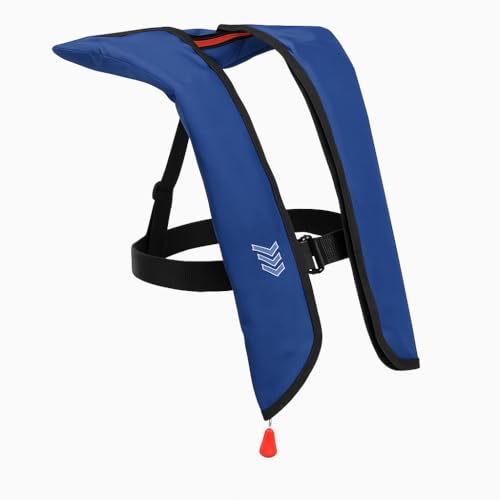
Table of Contents
Why Proper Life Vest Selection Matters
Lake Erie presents unseen hazards: sudden weather shifts, cold water temperatures, and the unpredictability of boat traffic. A poorly fitting vest can hinder your mobility in a pinch, or worse, fail when you need it most. When you’re offshore chasing walleye or perched in the shallows for smallmouth, your vest must stay secure and allow freedom of movement — especially during quick maneuvers or if you get knocked off balance. Safety isn’t just a legal checkbox; it’s about confidence knowing that your gear is reliable in a critical moment.
Choosing the right vest also keeps you comfortable during long runs or all-day jigging sessions. discomfort leads to distraction, and distraction can ruin a good fishing day. Load your vest correctly, match it to your fishing style, and you’ll fish smarter and safer on Erie’s dynamic waters.
Types of Life Vests and Their Uses
Lake Erie anglers typically choose between foam-based (automatic or manual inflation) and inflatable vests. For most boat-based fishing, a traditional foam vest affixed with durable, quick-release buckles remains the workhorse — straightforward, rugged, reliable. Inflatable models appeal to those covering large distances or fishing in open water; they save bulk and weight and can be primed for quick inflation if needed.
Jigging close to the boat or fishing back bays often calls for a vest with minimal bulk — mobility is king. For those venturing into the western basin’s ice-fishing realm, a heavy-duty insulated vest or suit integrated with life-saving features can keep you warm and safe without limiting your maneuverability during hole-hopping.
Fit, Comfort, and Mobility
A life vest that’s too tight chafes after a few hours; too loose, and it risks riding up or coming off. The key is a snug fit that still permits full arm movement, quick turns, and casting. Many vests feature adjustable straps at the shoulders and waist. Take the time to test the fit on land, simulating your typical fishing posture — bend, reach, and row.
On Erie, where you might be wrestling heavy walleye from collapsed structures or fighting perch in tight cover, unrestricted movement is essential. A vest that stays secure yet allows you to reach for your net or change lures without fuss keeps you focused on the fish, not your gear.
Features to Look For
Durability beats cheapness on Lake Erie. Look for models with reinforced seams and rugged zippers. Pockets are a big plus — storing pliers, markers, and small tackle keeps them accessible without cluttering your boat. Reflective strips increase visibility during early morning or late evening bites, a lifesaver in foggy or low-light conditions common on Erie in cooler months.
For ice fishing or cold-weather setups, consider vests with insulating liners or built-in flotation for extra warmth. Quick-release buckles and minimal hardware prevent snagging when moving through tight spaces or animal cover. Also, ensure your vest has drainage capabilities — Lake Erie’s water temp can turn chilly fast if you take a spill, and quick drying is crucial for comfort and safety.
Seasonal and Fishery-Specific Tips
In spring and fall, water temperatures hover around 50°F-70°F. A foam vest with layered clothing underneath works well, maintaining buoyancy without overheating. During summer, a lightweight inflatable vest reduces fatigue on long trolling runs, especially when covering central basin depths of 70-100 feet where speed and agility matter.
Ice anglers fishing perch or walleye in January and February need more insulation; look for models with cold-weather ratings and added bulk—preferably with a harness system for pulling distant holes or moving gear. In fall, especially during the walleye migrations into the eastern and western channels, your vest should facilitate quick access to tools like pliers and plumb lines, keeping you efficient.
Additional Safety Gear and Tips
Even the best vest isn’t enough alone. Always carry a throwable device, a signaling mirror, and a NOAA weather radio in your boat package. Keep your vest fitted with reflective tape and attach a strobe or flashlight for early-morning or late-evening visibility.
On Erie, unexpected squalls can catch you off guard. A sturdy, well-fitted vest combined with a good, lightweight PFD ensures you’re prepared for sudden moves — especially during tournament lines or when fighting over structure. Remember, even experienced anglers have gone over the side after a rogue wave or a sudden boat maneuver. Safety first, always.
Frequently Asked Questions
What is the most durable life vest for Erie’s tough conditions?
Look for models with reinforced seams, abrasion-resistant fabrics, and heavy-duty buckles. Brands rated U.S. Coast Guard-approved and designed for offshore use hold up best.
Should I wear an inflatable or foam vest?
If you’re covering large distances or fishing open water, an inflatable offers comfort and lightweight mobility. For close-quarters or in colder seasons, a foam vest provides instant buoyancy and reliability without needing to be pre-inflated.
How snug should the vest fit?
It should be tight enough to stay secure during sudden movements but allow full arm extension. Test by wearing layers underneath and moving through your typical casting or trolling motions.
Can I add accessories like pockets and reflectors?
Yes. Many vests come with MOLLE webbing or sewn-on pockets. Reflective strips are recommended — visibility can mean the difference in low-light conditions.
Are cold-weather vests worthwhile?
Absolutely, especially during fall and ice fishing. Insulated vests add warmth without sacrificing mobility, which is crucial on Erie’s often chilly mornings.
How often should I replace my life vest?
Inspect it every season, replacing it if you notice tears, loose stitching, or compromised buckles. UV exposure and saltwater can degrade materials over time.
Getting your life vest right is a small investment for peace of mind and safer fishing. The waters of Lake Erie demand respect, and your gear should reflect that. Select carefully, fit it properly, and keep safety equipment in top shape — your best catch can’t come if you’re not prepared to stay safe.


