How to Choose the Right Lake Erie Fishing Gear
How to Choose the Right Lake Erie Fishing Gear
Lake Erie demands the right gear if you want to consistently land walleye, perch, or bass. Whether you're trolling in Western Basin or jigging in the Central, your success hinges on selecting equipment that withstands our cold water, maximizes presentation, and fits your style of fishing. With years on the water and tournament circuits under my belt, I’ll guide you through the essentials—so you can fish confidently and bring home more keepers.
Every season throws different challenges—spring perch runs, summer bass patrols, fall walleye migrations. Knowing your gear inside and out ensures you’re ready for whatever Erie throws your way. This guide breaks down tackle choices, safety gear, and techniques so you’re set for a productive trip — whether ice fishing in January or dead of summer trolling.
Table of Contents
Tackle Essentials for Erie Success
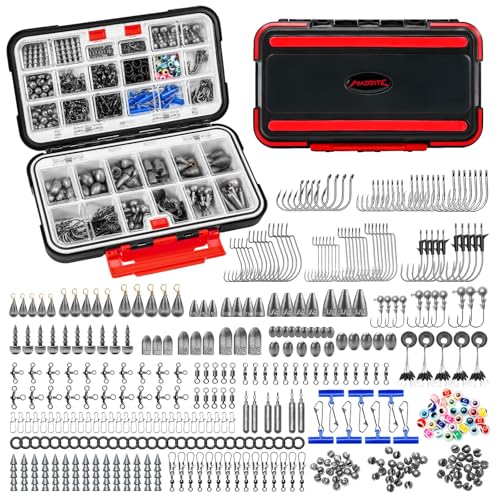
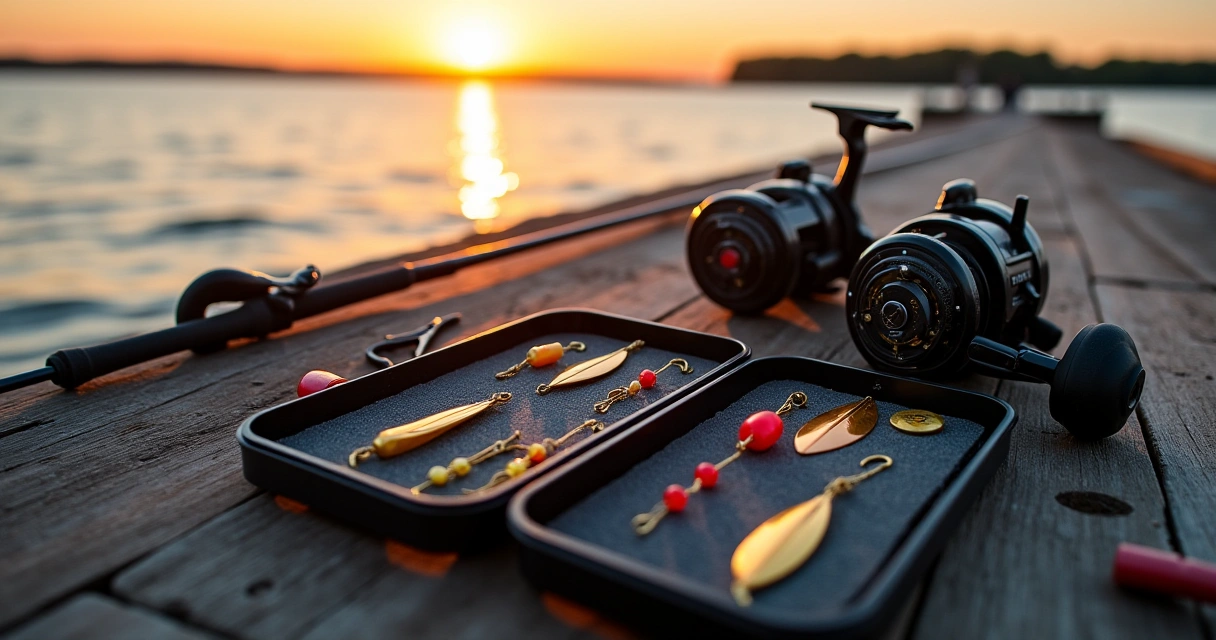
When you’re fishing Lake Erie, versatility and durability are key. The cold water demands tackle that holds up over hours of exposure and multiple trips. Start with a good selection of jigs—medium-heavy heads in the 1/8 to 1/4 ounce range work for perch and walleye, especially when fishing vertical or drifting. For live bait, with the perch or walleye, use a standard sized minnow or gulp and set your hook attempts to be subtle but firm. Trolling has become the preferred technique for walleye, especially in Spring and Fall. Use #5 or #7 Freddie or Little Cleo spoons, bright enough to show up in murky water and durable enough for long runs behind riggers. Steel or fluorocarbon leaders are vital; fluorocarbon sinks better and is less visible in Erie’s gin-clear water. Also, consider adding planers or dipsy divers for depth control during trolling runs—these are invaluable tools that let you target specific thermoclines or drop-offs.Life Vests and Safety Equipment
Lake Erie’s weather can change fast, and safety equipment isn’t optional—it’s your lifeline. Always wear a Coast Guard-approved life vest when trolling or running overnight trips. Choose a vest with reflective patches and plenty of pockets for gear, so it’s comfortable yet functional. During colder months, a floatation suit is worth the investment for ice fishing or if conditions turn rough. Make sure your vessel is equipped with a throwable cushion, a marine radio, and a reliable GPS. In winter, carry ice picks, a whistle, and a portable respiration mask. And don’t forget extra dry clothes and waterproof gear for your safety and comfort. Erie’s unpredictable weather can have you in the water faster than you expect.Choosing the Right Rods and Reels
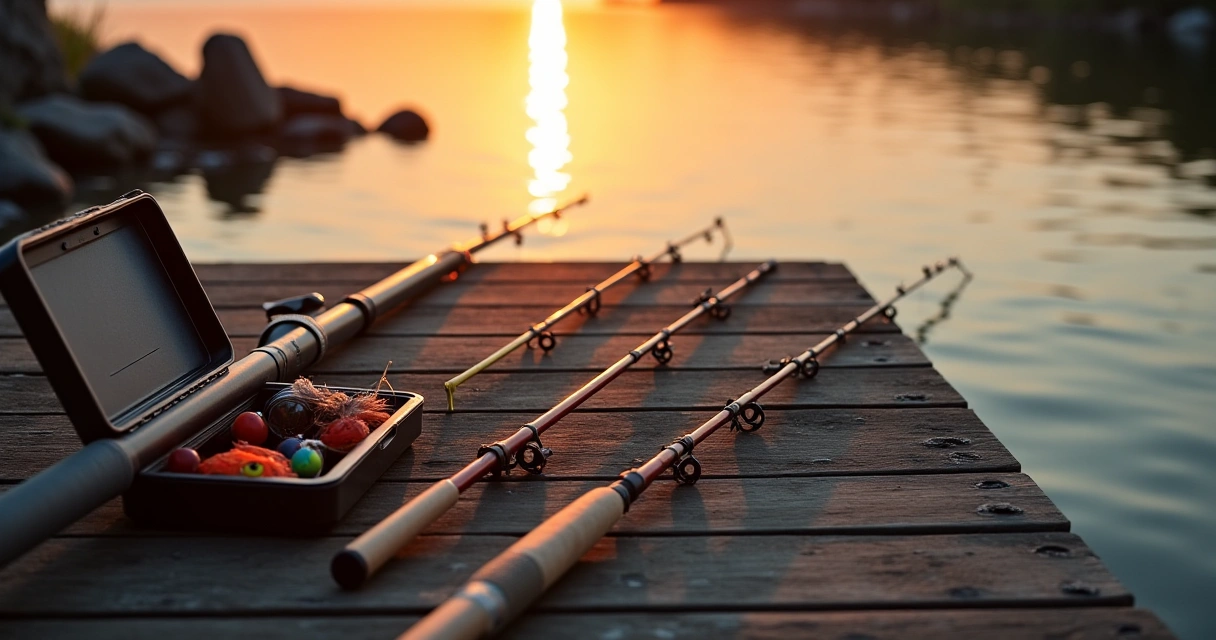
For Erie walleye and perch, your rod choice should be matched to your presentation style. A 6.5 to 7-foot medium-light to medium power spinning rod excels for jigging and live bait trolling. These rods have the backbone to land big walleyes and the sensitivity to detect light bites from perch and bass. For trolling, a stiffer longer rod—preferably 7 to 8 feet—paired with a quality low-profile baitcasting reel lets you control your line with precision. Reels must have smooth drag systems, especially since Erie fish often hit hard and run for cover. Spinning reels with at least 2000-3000 size capacity are versatile for both live bait and artificials. For trolling, switch to higher-capacity ocean-style reels or high-speed baitcasters to handle the line and speed demands of long runs behind planer boards or dipsy divers.Ice Fishing Gear That Works in Erie’s Winter
When the ice freezes thick enough, Erie’s walleye and perch bite continues through winter—if you’re prepared. For ice fishing, a portable shack and double-wall insulated auger allow you to stay warm and drill quickly. An underwater camera helps spot fish and structure beneath the ice, cutting down on guesswork. Your rod setup should be short—about 24 inches—and sensitive enough to detect subtle bites. Use small jigs tipped with live minnows or plastics. For perch, tight-line and slip-bopp setups let you feel every nibble. For walleye, a simple tip-up system with a deadstick can yield monster fish at night. Always monitor ice thickness—minimum four inches for walking, six for larger loads—and carry ice safety picks on hand.Targeting Walleye, Perch, and Bass
Walleye dominate our fall and spring fisheries. Focus on depths between 15 and 30 feet during early spring and late fall, near rocky points and drop-offs. Troll with crankbaits or rigged minnows at 1.5–2.5 mph, adjusting your depth to match the thermocline. The bite shifts to jigging and live bait in summer when fish seek cooler, deeper waters—use flashy jigs or bottom-bumping rigs in 20–40 feet.
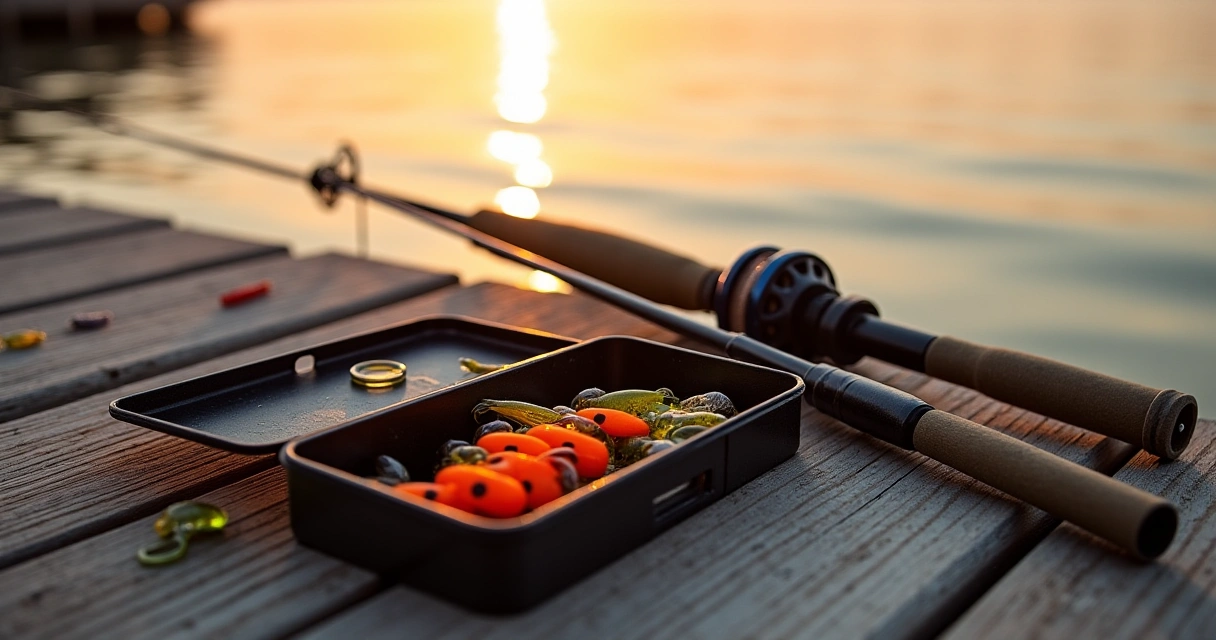
Perch thrive in weed beds and rocky humps. Pull small jigs or setup slip-bopper rigs in 8–20 feet, especially during the afternoon perch push. For bass, look for pea gravel and rocky shorelines with current breaks. Dust off that Texas rig or throw soft plastics in the 10-20 foot zone—summer and fall offer prime bass action, often presenting aggressive strikes in warmer daylight hours.
💡 Pro Tip: Keeping a log of water temps, depths, and bait patterns helps fine-tune your approach for consistent Erie success.
Frequently Asked Questions
What’s the best time for walleye on Erie?
Spring and fall are prime, with spring during spawning runs and fall during the post-spawn migration in shallower water.
What lures work best for perch?
Small tube jigs, pink or chartreuse, tipped with live minnow or plastics, are especially effective. Keep it light and flashy.
How heavy should my trolling gear be?
Use a 10-20 pound class rod with a reel that holds at least 200 yards of 10-15 lb braid or fluorocarbon—durable enough for long runs and big fish.
Is ice fishing safe on Erie’s winter ice?
Yes, but only when ice is at least 4 inches thick, with checks and gear for emergency rescue. Always fish with a buddy during winter.
What’s the most reliable safety gear for boat trips?
Wear a Coast Guard-approved life vest at all times, have a throwable cushion, a Marine radio, and keep emergency supplies on deck.
Can I catch bass on Erie’s Sagamore or Presque Isle?
Yes, summer sees active smallmouth and largemouth along rocky points and near river outlets—use soft plastics and crankbaits for best results.
What’s the best time for walleye on Erie?
Spring and fall are prime, with spring during spawning runs and fall during the post-spawn migration in shallower water.
What lures work best for perch?
Small tube jigs, pink or chartreuse, tipped with live minnow or plastics, are especially effective. Keep it light and flashy.
How heavy should my trolling gear be?
Use a 10-20 pound class rod with a reel that holds at least 200 yards of 10-15 lb braid or fluorocarbon—durable enough for long runs and big fish.
Is ice fishing safe on Erie’s winter ice?
Yes, but only when ice is at least 4 inches thick, with checks and gear for emergency rescue. Always fish with a buddy during winter.
What’s the most reliable safety gear for boat trips?
Wear a Coast Guard-approved life vest at all times, have a throwable cushion, a Marine radio, and keep emergency supplies on deck.
Can I catch bass on Erie’s Sagamore or Presque Isle?
Yes, summer sees active smallmouth and largemouth along rocky points and near river outlets—use soft plastics and crankbaits for best results.
Lake Erie fishing offers incredible opportunities, but success relies on selecting the right gear for conditions and your target species. Understanding your gear, safety, and techniques turns a good day into a great one. Now, get out there and put your experience to work—these waters are waiting.
Top Picks for This Topic
As an Amazon Associate we earn from qualifying purchases at no extra cost to you.


Frequently Asked Questions
How do I choose the right fishing rod for walleye in Lake Erie's cold water?
Select a medium-light power spinning rod with a fast action to provide sensitivity for jigging and precise casting. Ensure the rod is rated for cold temperatures to maintain flexibility without becoming brittle during winter or early spring fishing.
What is the best type of reel for trolling perch in the Western Basin?
A baitcasting reel with a high gear ratio is ideal for quickly retrieving lures when trolling for active perch. Look for models with sealed drag systems to withstand the sudden runs of fish in deep, cold waters.
Is it worth investing in a specialized life vest for ice fishing on Lake Erie?
Yes, an insulated life vest is essential safety equipment because freezing water can cause hypothermia within minutes. Choose a vest with built-in flotation and thermal protection to stay warm and buoyant if you fall through thin ice.
How do I choose between a spinning reel and a baitcaster for bass fishing?
Opt for a spinning reel when using lighter lures or casting from cover, as it offers less line twist. A baitcaster is better suited for heavy-duty presentations like large jigs or crankbaits where you need to handle heavier lines and larger fish.
What tackle essentials are necessary for successful jigging in the Central Basin?
You need a variety of tungsten jig heads paired with soft plastic minnows that mimic local baitfish. Additionally, bring fluorocarbon leaders to prevent line visibility in clear water and ensure your rod has enough backbone to set the hook firmly.
How do I choose the right gear for fishing during different seasons on Lake Erie?
Adjust your gear based on water temperature; use lighter lines and smaller hooks in spring and fall, while switching to heavier lines and stronger rods in summer. Always verify that your life vest is rated for cold-water immersion regardless of the season.
Is it worth buying a dedicated ice fishing rod versus using a standard freshwater rod?
A dedicated ice fishing rod is worth it because it is shorter, stiffer, and designed to handle the unique pressure of standing on ice. These rods often come with built-in guides that prevent line breakage when pulling heavy walleye out of deep holes.