

How To Choose The Right Fishing Scale Grippers 2026
By Lake Erie Tackle Box Editorial
Most anglers treat scale grippers as an afterthought, tossing a cheap plastic clip into the tackle box until tournament day arrives. That mindset costs you time, dignity, and sometimes your catch. On Lake Erie, where walleye and perch are often kept in cold water slush or weighed on slippery boat decks, a flimsy gripper slips, tears gills, or breaks entirely. You need a tool that holds fast under pressure and survives the corrosive salt air of the Western Basin without seizing up.
Our Top Picks
Affiliate disclosure: if you buy through these links, we may earn a commission at no extra cost to you.

Table of Contents

Quick Answer
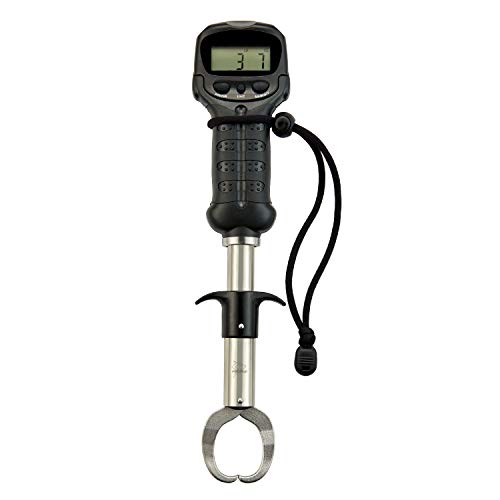
For Lake Erie tournament fishing, choose a heavy-duty stainless steel gripper with a spring-loaded locking mechanism and a textured rubber grip. Avoid plastic or coated wire models that fail in freezing water. Look for a jaw width of at least 1.5 inches to accommodate large walleye without damaging the mouth, and ensure the hook release is accessible with gloved hands for quick, safe fish handling.
Why Material Matters in Cold Water
Lake Erie doesn’t forgive cheap gear. When you’re trolling the sandbars near Put-in-Bay or jigging the deep holes in the Central Basin, your hands are numb, and your gear is exposed to freezing spray. Plastic grippers become brittle in sub-freezing temperatures and snap under the weight of a 4-pound walleye. Even coated wire models can rust if the coating chips, leading to weak points that fail when you need them most.
Stainless steel is non-negotiable for serious Erie anglers. It resists corrosion from both fresh and brackish water conditions, especially in the Western Basin where runoff can increase salinity slightly. Look for 304 or 316 grade stainless steel. These alloys withstand the constant exposure to lake water, baitfish slime, and ice without degrading. A high-quality steel gripper will last for years, even with daily use during the peak spring and fall runs.
Jaw Design and Fish Safety
The shape of the jaws determines how well you handle different species. Lake Erie’s trophy walleye have thick, muscular bodies and sharp teeth. A narrow, pointed jaw can puncture the fish’s mouth, causing unnecessary stress and potential injury. This is critical for tournament anglers who practice catch-and-release. You want a wide, flat jaw that distributes pressure evenly across the lower jawbone.
For yellow perch, which are smaller and more delicate, a slightly narrower jaw is acceptable, but versatility is key. Most charter captains prefer a medium-width jaw that fits both perch and walleye. The jaw should have a slight curve to match the natural shape of the fish’s mouth. This ensures a secure grip without slipping. Avoid grippers with sharp edges or burrs on the inside of the jaws, as these can tear the fish’s tissue.
The Locking Mechanism: Spring vs. Manual
Spring-loaded locking grippers are the standard for tournament fishing. They lock automatically when you squeeze, allowing you to hold the fish with one hand while you remove the hook or place it on the scale. This is essential when you’re working on a crowded boat deck or in icy conditions. The spring tension should be firm enough to hold the fish securely but not so strong that it’s difficult to open with gloved hands.
Manual locking grippers offer more control but require two hands to operate. They are less common in modern tournament fishing because they slow down the process. However, they can be useful for very large fish that might slip out of a spring-loaded mechanism if the tension isn’t high enough. For most Lake Erie anglers, a high-quality spring-loaded gripper is the better choice for speed and safety.
Ergonomics for Gloved Hands
When you’re fishing in January or February, your hands are encased in thick neoprene gloves. A gripper with a small, thin handle is difficult to grip and operate. Look for a model with a large, textured rubber handle that provides traction even when wet. The handle should be wide enough to accommodate your gloved fingers comfortably.
The trigger or release mechanism should be easy to access and operate. Some grippers have a thumb-activated release, which is convenient when you’re holding the fish in one hand. Others require you to squeeze the handles together to unlock, which can be awkward with gloves. Choose a design that feels natural in your hand and allows for quick, confident operation.
Ice Fishing Specifics
Ice fishing on Lake Erie presents unique challenges. Your hands are often frozen, and you’re working in a confined space. A compact, lightweight gripper is easier to manage than a bulky model. Some anglers prefer a gripper with a lanyard hole so they can attach it to their vest or belt, preventing loss through the ice hole.
Consider a gripper with a non-slip coating on the jaws. Ice can make fish slippery, and a secure grip is essential. Also, ensure the gripper is compatible with your ice fishing scale. Some scales have integrated grippers, but standalone models offer more durability and flexibility. Check the weight capacity of the gripper to ensure it can handle the largest fish you expect to catch, which can exceed 5 pounds in the deep holes.
Frequently Asked Questions
What is the best jaw width for Lake Erie walleye?
A jaw width of 1.5 to 2 inches is ideal. It accommodates the thick lower jaw of a walleye without causing excessive damage, ensuring a secure hold for weighing and release.
Should I use a plastic or metal gripper?
Always use metal, specifically stainless steel. Plastic becomes brittle in cold water and can break under the weight of a large fish. Metal provides durability and reliability in all conditions.
How do I prevent rust on my scale gripper?
Rinse the gripper with fresh water after every use. Apply a light coat of silicone spray or machine oil to the moving parts to prevent corrosion, especially in humid or salty conditions.
Can I use the same gripper for perch and walleye?
Yes, a medium-width stainless steel gripper works well for both species. Just be gentle with perch to avoid damaging their smaller mouths, and ensure a firm grip on walleye.
What should I look for in an ice fishing gripper?
Look for a compact design with a large, easy-to-grip handle for gloved hands. A lanyard hole is useful for securing the tool, and a non-slip jaw coating helps with icy fish.
Choosing the right scale gripper is a small decision with a big impact on your fishing experience. It affects how quickly you can weigh your catch, how safely you handle your fish, and how long your gear lasts in harsh conditions. Invest in a high-quality stainless steel model with a reliable locking mechanism and ergonomic design. This simple upgrade will make your time on Lake Erie more efficient and enjoyable, whether you’re chasing trophy walleye in the spring or battling the ice in the winter.


