

How To Choose The Right Fishing Rod Cases 2026
You spend thousands on premium graphite blanks and sensitive electronics, yet you store them in flimsy cardboard sleeves or throw them loosely into the back of a Silverado. That is a fast track to cracked guides and ruined tournaments. On Lake Erie, where we are hauling gear across ice roads in January or loading up for a 48-hour charter run in October, your rod case is not just luggage; it is the first line of defense for your livelihood. If your rods get damaged before you drop a jig into the walleye hole, nothing else matters.
Our Top Picks
Affiliate disclosure: if you buy through these links, we may earn a commission at no extra cost to you.

Table of Contents

Quick Answer
For Lake Erie conditions, choose hard-sided cases with custom foam inserts for air travel or long hauls, and heavy-duty padded tubes for daily boat use. Prioritize water resistance and crush protection over weight when transporting gear across ice roads. Match your case capacity to your specific rod count, leaving zero room for shifting during transit.
Hard-Sided vs. Soft-Sided: The Erie Reality
When you are chartering out of Port Clinton or Oak Harbor, your gear takes a beating. Soft-sided rod bags offer convenience for short trips to the breakwall, but they provide zero protection against impact. A dropped tackle box or a shifting cooler in the back of a truck can snap a graphite blank instantly. For any trip involving air travel or long highway hauls to Western Basin spots, hard cases are non-negotiable.
Hard cases like Pelican or Plano protect your investment from crushing forces. They keep water out when you are offloading gear in heavy rain or snow. However, they are bulky and heavy. You must weigh the protection benefits against the hassle of carrying a 50-pound case up ice stairs or through crowded airport terminals.
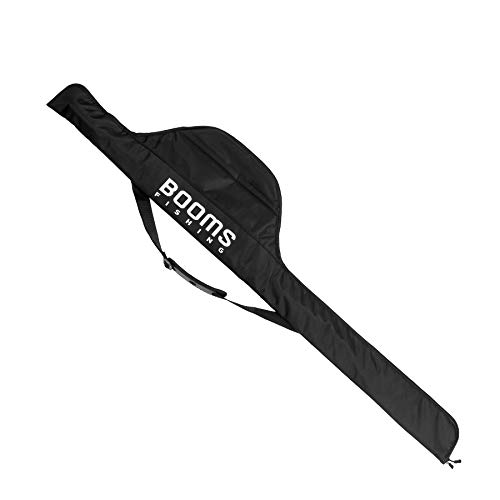
Soft-sided cases with rigid frames offer a middle ground. They fit into standard car trunks more easily than hard shells but still resist minor impacts. Use these for day trips where you are moving gear frequently between your vehicle and the boat deck.
Rod Tubes: The Daily Driver Standard
Most serious Lake Erie anglers rely on individual rod tubes for their primary fishing rods. These cylindrical containers protect the guides and blanks from direct contact with other gear. You should choose tubes that match the length of your rods exactly. A tube that is too long allows the rod to slide around, causing damage. A tube that is too short exposes the tip.
Look for tubes made from durable plastic or carbon fiber. Carbon fiber tubes are lighter and stronger but cost more. Plastic tubes are affordable and widely available. Ensure the caps seal tightly to keep out moisture and ice crystals. This is critical when fishing in sub-zero temperatures on the ice.
Consider tubes with padded interiors. The padding prevents scratches on your rod’s finish and adds a layer of shock absorption. Some tubes come with adjustable dividers, allowing you to store multiple rods in one tube if space is tight. This is useful for perch fishing trips where you carry several light-action rods.
Foam Inserts and Customization
Custom foam inserts are the gold standard for rod protection. They hold each rod firmly in place, preventing any movement during transit. You can buy pre-cut foam or cut your own using a hot wire cutter. Custom cuts ensure a perfect fit for your specific rods and reels.
When designing your foam layout, leave enough space between rods to avoid friction. If rods rub against each other, the guides can get damaged. Use high-density foam that does not compress over time. Low-density foam will sag, leaving your rods unsupported.
Consider adding pockets in the lid of your case for small items like lures, line spools, and tools. This keeps your workspace organized and prevents small parts from getting lost or crushed under heavier gear. A well-organized case saves time when you are preparing to fish.
Ice Fishing Specifics: Cold Weather Durability
Ice fishing on Lake Erie presents unique challenges. Temperatures can drop well below zero, making plastic brittle and foam stiff. Choose cases made from materials that remain flexible in extreme cold. Some plastics become shatterproof at room temperature but crack instantly in sub-zero conditions.
Ensure your case seals are rated for cold weather. Standard rubber seals can harden and lose their effectiveness, allowing moisture to enter. Look for cases with gasket seals designed for harsh environments. Moisture inside a case can freeze and damage your rods and reels.
Consider the weight of the case when carrying it over ice. You will likely carry it by hand for some distance. A lighter case reduces fatigue and the risk of slipping. Carbon fiber tubes are ideal for ice fishing due to their light weight and high strength.
Travel and Airline Compliance
If you fly to Lake Erie, check your airline’s policies on sporting equipment. Most airlines allow one free checked bag for fishing gear, but it must be within size and weight limits. Measure your case before you pack. Oversized cases incur heavy fees.
Use a TSA-approved lock for your hard case. This allows security agents to inspect your gear without breaking the seal. Broken seals are a red flag for thieves and damage claims. Keep your receipt for the case in case you need to prove its value for insurance purposes.
Consider purchasing travel insurance that covers fishing equipment. Standard homeowner’s policies often have low limits for sporting goods. Insurance can cover theft or damage during transit, giving you peace of mind when traveling long distances.
Frequently Asked Questions
What is the best material for a Lake Erie rod case?
Hard plastic cases with gasket seals are best for air travel. Carbon fiber tubes are ideal for daily boat use due to their light weight and durability.
How do I protect my rods from ice fishing cold?
Use cases rated for sub-zero temperatures. Ensure seals remain flexible in the cold to prevent moisture ingress, which can freeze and damage gear.
Can I use a soft bag for air travel?
No. Soft bags offer no crush protection. Hard cases are required to protect expensive graphite rods from airline handling.
How do I customize foam inserts?
Buy high-density polyethylene foam and cut it with a hot wire cutter or sharp knife. Measure your rods and reels carefully before cutting.
What size case should I buy for air travel?
Check your airline’s size limits. Most allow cases up to 62 linear inches. Measure your longest rod plus reel clearance before buying.
Your gear is your toolset for success on Lake Erie. Choosing the right rod case ensures it remains in peak condition, ready for every tournament and charter trip. Evaluate your specific needs based on travel method and fishing style. Invest in quality protection now to avoid costly repairs later.


