

How To Choose The Best Bass Rod For Your Needs
You need a fast tip with solid mid-to-butt power for Lake Erie smallmouth aggression—short, sharp hooksets win tournaments. For offshore jigging over 20–35 feet use a medium‑heavy fast blank to both sense light bites and drive hooks through structure. If you spend mornings on topwater or fishing docks carry a medium action for lure control and softer hook sets. Think in terms of lure weight and terminal tackle: the rod must load appropriately for the technique you run most.
Table of Contents
Our Top Picks
Affiliate disclosure: if you buy through these links, we may earn a commission at no extra cost to you.

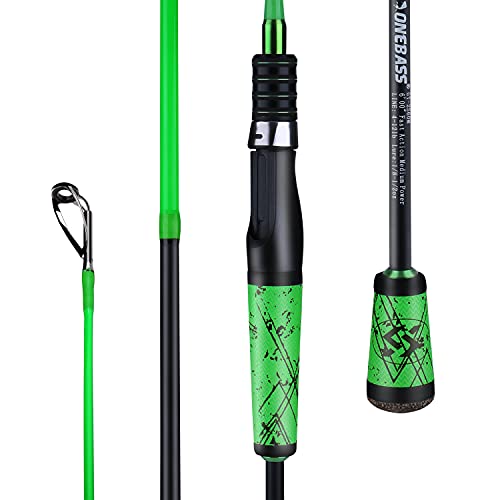
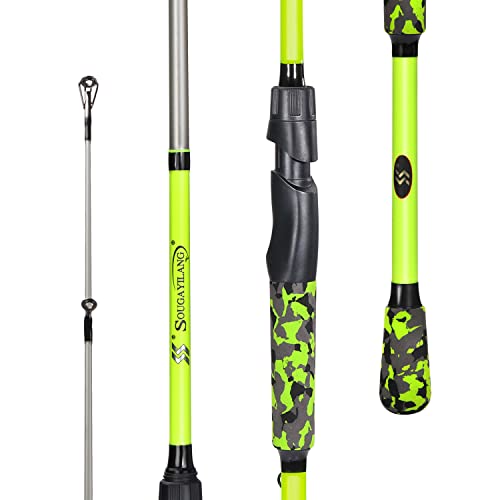
Factors to Consider
Action and power: match the rod to the technique
Blank material and sensitivity: feel the bite at depth
Graphite or graphite‑composite blanks give you the sensitivity to detect light pecks on small jigs in 15–30 feet, which is where Erie smallmouth live in fall and spring. Composites add toughness and forgiveness when you get into rocky Western Basin cover where blanks take knocks. Look for blanks rated for braid-to-fluorocarbon setups—sensitivity matters when a perch or walleye nips a multi-species drop. If you run long casts in open water, a stiffer butt section preserves hookset strength on heavier lures.
Length and fishing zone: from breaklines to shoreline
Choose 6'6"–7'0" for dock work and river mouths where you need quick pole work and tight hooksets; 7'0"–7'6" covers casting medium cranks and long casts to breaklines in the Central Basin. For vertical jigging in deeper water pick a shorter, stiffer rod that gives you precise rod-tip control while you feel bites. If you plan mixed days—trolling for walleye in the morning and flipping rock in the afternoon—bring two rods: one 7'0" medium‑heavy and a shorter 6'6" medium.
Guides, reel seat, and cold‑weather durability
Opt for guides with coated or SiC inserts to handle braided lines without wear; you’ll burn through cheap chromed guides fast on Erie structure. Stainless or corrosion‑resistant reel seats and hoods are non‑negotiable if you run the boat in spray or fish through slush in late season. In ice or late‑fall temps make sure reel mechanics are paired to a blank that won’t go brittle; composite blanks keep sensitivity without sacrificing toughness. Pay attention to handle material—EVA holds up in cold and won’t soak up water like cork.
Season and basin considerations: Western vs Central choices
In the Western Basin you lean shorter and snappier—fish are in shallow weeds and docks so you need quick presentations and fast hooksets. The Central Basin demands longer casts and deeper presentations; choose rods that load on longer casts and can handle 20–40 foot vertical work during fall. For mixed walleye/perch days bring a softer tip for perch jigs and a stiffer midsection for walleye and bass hooksets. Tournament days in fall mean sensor-sensitive blanks and a backup that can handle braided core lines when the bite goes light.
Frequently Asked Questions
What rod length is best for Lake Erie smallmouth bass?
For most Lake Erie smallmouth fishing a 7'0" fast action medium‑heavy casting rod is your sweet spot—long enough for distance and leverage, short enough for boat control around rocks. If you fish docks and river mouths more, carry a 6'6" medium for quicker, more accurate hookups.
Spinning or casting rod for bass on Erie?
Use a casting rod for heavier lures and braid-to-fluoro setups—that’s the standard for crankbaits, heavy jigs, and flipping around structure in tournaments. Spinning rods excel with light finesse jigs, drop-shot, and micro‑jigs in 15–30 feet, especially when you need long of line and delicate presentations.
Which action is best for topwater and shallow pitching?
Topwater and pitching call for a fast tip with a moderate to soft midsection to protect soft plastic tails while still driving hooks. For shallow mornings on the Western Basin a medium‑fast action in the 6'8"–7'0" range balances lure control and hookset power well.
Can one rod handle bass, walleye, and perch on the same trip?
You can, but pickivity matters: a 7'0" medium‑heavy composite casting rod covers bass and walleye with braid-to-fluoro leaders and handles perch if you slow your presentation. For dedicated perch or micro-jigging over schools in the Central Basin, bring a softer, shorter rod to feel tiny bites and present micro baits precisely.
What spine and line do you run with a medium‑heavy Erie bass rod?
Match braid (20–50 lb) with a 10–20 lb fluorocarbon leader depending on cover and lure weight; heavier braid for flipping and big rocks, lighter for finesse rigs. Use a rod that will load and not tip over with your chosen line—if your braid is 30–50 lb, step up to a stiffer blank to hold the hookset in structure.
How should I set up rods for fall tournament patterns?
In fall you’ll want a sensitive tip for light follows and a beefy butt for hook penetration—carry a 7'0" fast medium‑heavy for rockline presentations and a shorter vertical rod for jigging 20–40 feet. Rig braid on the main line and a fluorocarbon leader for reduced visibility; adjust lure sizes down as the bite tightens.
How do I care for rods after winter ice fishing or cold runs?
Rinse guides and reel seats with fresh water after each trip, dry completely, and lubricate reel seats to prevent lockups from slush and salt spray. Store rods unstrung if possible and warm them gradually before heavy use in spring to avoid stress on cold, stiff blanks.
Conclusion
Pick a rod that reflects where and how you fish Lake Erie: fast tips for sensitivity, composite blanks for durability around rock, and a length that fits your primary presentations. For most Erie anglers and tournament runs, a 7'0"–7'3" medium‑heavy fast casting rod in a graphite‑composite blank gives the best balance of feel, backbone, and versatility.


