

Essential Perch Gear For Lake Erie Fishing Adventu
You want rods that read subtle taps and set hooks without overplaying the fish. For open-water jigging use a 6'6"–7'2" light-action spinning rod paired with a 2000–2500 reel and smooth 6–10 lb drag; that length gives you leverage for vertical lifts and long casts when you need them. For ice work carry 24"–30" ultra-light rods with 100–150 size reels spooled with 4–6 lb line — those short rods let you feel the softest perch bite through a thick ice house. In the Central Basin when fish sit deep, favor a slightly stiffer tip to punch through current and set hooks down 30–50 feet without pulling the bait off the strike zone.
Table of Contents
Our Top Picks
Affiliate disclosure: if you buy through these links, we may earn a commission at no extra cost to you.


Factors to Consider
Rod and Reel Choices — match action to your method
Line, Leaders, and Terminal Tackle — sensitivity and invisibility win
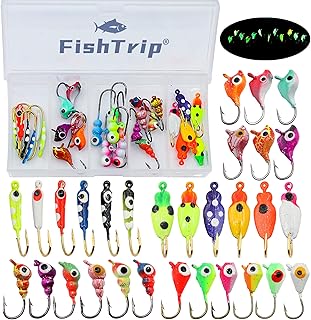
Braid for sensitivity and no-stretch feel; 4–8 lb braid for most perch work keeps your jig in the strike zone and lets you feel tiny hits. Add a 6–8 lb fluorocarbon leader for invisibility in clear Erie water, especially in the Western Basin where water clarity improves in fall. Use tungsten jigs from 1/32 to 1/8 oz for vertical presentations and #8–#12 hooks when you’re fishing tight to structure or through ice. When fishing deeper in the Central Basin, bump weights to 1/8–1/4 oz and use dropper rigs to keep multiple offerings in the fish zone.
Electronics and Depth-Finding — find the schools, don’t chase them
A CHIRP sounder with down and side imaging changes the day — you can mark bait balls and stacked perch on humps before anyone else does. Set your sonar to high sensitivity and narrow beam for deeper targets; mark waypoints over reefs and drop-offs so you can return after a wind shift. In shallow Western Basin days, use a fast-update sonar and lower frequency to separate bait from fish; in the Central Basin, prioritize a transducer that gets consistent returns at 30–60 feet. You’ll win more tournaments and charters by learning how individual schools show up on your unit at different times of day.
Baits and Lures — match hatch and action by season
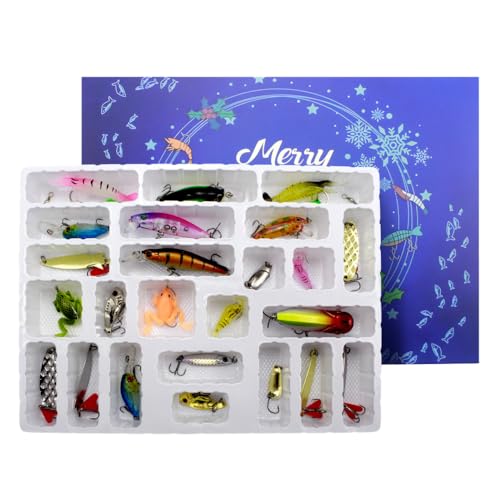
Live minnows and spike-like plastics are the go-to for Erie perch, but presentation matters more than brand — short hops and gentle twitches trigger follows in fall. Use small spoons and ribbed tungsten jigs with tiny tails in clear, cold water; in summer or stained Western Basin water, add heavier scented plastics or waxies. For autumn patterns when perch move onto flats, fish 1/32–1/16 oz vertical jigs with single spikes or small minnows 8–25 feet down. Keep a variety of colors and sizes; Lake Erie perch can be picky between green pumpkin, brown, plain white, and chartreuse on any given day.
Safety, Clothing, and Ice Considerations — stay on the water longer
Pick a USCG-approved PFD that lets you fish comfortably in the boat and layers easily for cold fall mornings; inherently buoyant models outperform inflatable units when you chop into quick cold water. For ice work bring a throw line, ice picks, and a flotation suit if you’re running open holes — you fish longer and smarter when you plan for the worst. In tournament settings you must balance mobility with safety: a slim, high-visibility PFD and tether for the fish box let you move fast without sacrificing flotation or compliance. Remember, Western Basin ice forms and goes quicker; check local reports before you calibrate your setup for full-season ice fishing.
Frequently Asked Questions
What rod length and action is best for Lake Erie perch jigging?
For open-water vertical jigging use a 6'6"–7'2" light-action spinning rod to feel subtle taps and control small tungsten jigs. For ice fishing choose a 24"–30" ultra-light rod with a sensitive tip to pick up soft bites through the hole. If you’re targeting deeper Central Basin perch, a slightly stiffer tip helps set hooks down 30–50 feet.
What line and leader setup should I run for perch in clear Western Basin water?
Use 4–6 lb braid for sensitivity and a 6–8 lb fluorocarbon leader for invisibility in clearer water. Keep leader length short — 12–24 inches — so your jig stays in the strike zone and your presentation remains natural. If visibility drops after rain or in stained water, you can step up leader diameter to maintain control.
Which jig sizes and weights work best through the ice vs open water on Lake Erie?
Through the ice stick to 1/64–1/32 oz tungsten micro-jigs with tiny hooks and minnows or waxworms. Open water vertical jigging tends to require 1/32–1/8 oz, with the heavier end useful when you’re fishing current or deeper structure. In the Central Basin where perch stack deeper you’ll often use 1/8–1/4 oz to hold bottom and keep in the strike zone.
How deep are perch in Lake Erie during the fall?
Fall moves fish shallower overall, often 8–25 feet on flats and along reef edges when bait moves inshore. In the Central Basin you’ll still find schools holding deeper on humps and drop-offs at 25–50+ feet early in fall, especially when thermocline and baitfish remain offshore. Mark waypoints on known structure and watch your sonar — the depth can change hour by hour during the fall transition.
Can you effectively troll for perch on Lake Erie?
Trolling can produce perch when you run small spoons, mini-plastics, or micro-crawler setups at slow speeds (1.5–2.2 mph) over flats and along reef edges. Use planer boards or off-board rigs to cover water without spooking tight schools. It’s not a primary perch method for most days, but in tournaments or when you need to find roaming schools it’s a worthwhile tool in your arsenal.
What fishfinder settings work best for picking out perch schools?
Start with CHIRP on high sensitivity and a medium-narrow cone to resolve individual fish and bait balls; increase frequency for shallow Western Basin days and lower frequency for deeper Central Basin targets. Use smaller mark and clutter filters so small arches and dots don’t disappear; side imaging is invaluable for locating schools on edges of structure. Save waypoints and screenshot returns when you find fish — you’ll return to them when the wind or light changes.
What safety gear is essential for Lake Erie perch fishing, both open water and on ice?
Always have a USCG-approved PFD aboard and wear it when conditions or boat traffic demand; inherently buoyant models give consistent flotation in cold water. For ice fishing bring ice picks, a throw line, and a flotation suit or drysuit when you work thin or new ice. In tournament situations carry a VHF or reliable cell backup, and file a float plan with someone on shore when you head out before first light.
Conclusion
You want gear that reads bites, withstands cold Erie water, and helps you hunt schools on structure — pick rods and small jigs that let you feel everything and transducers that show you the bottom. For a single recommendation: a 6'8" light-action spinning setup with 6 lb braid, 6–8 lb fluorocarbon leader, and a CHIRP unit with side imaging will cover most perch situations across Western and Central Basin fall fishing. Load a selection of 1/64–1/8 oz tungsten jigs and a reliable PFD, and you’ll be ready to put keepers in the box all season.


