

Complete Guide to Choosing the Right Fishing Gear for Lake Erie
Welcome to Mike Caruso's complete guide to choosing the right fishing gear for Lake Erie. Whether you're a seasoned angler or a beginner eager to tackle this legendary lake, this guide will help you make the right decisions for your next trip.
Understanding Lake Erie's Western and Central Basin conditions, fall patterns, and the specific challenges each area presents is crucial for success. By following this guide, you'll be better equipped to tackle all aspects of Lake Erie fishing, from tackle and gear selection to ice fishing and techniques.
Choosing Your Main Gear
For the Western Basin, you need durable tackle to handle the cold water conditions. Look for rods and reels that can withstand the harsh winters and trolling lures effectively.
For the Central Basin, focus on gear that can handle deeper waters and faster trolling speeds. Opt for a rod with a stronger backbone and a reel with a powerful drag system.
Tackle for Walleye and Perch
Walleye and perch are some of the most popular fish in Lake Erie. For walleye, consider using jigs with a dark color pattern, and for perch, try small spinners or flies.
For perch, ensure your gear can handle the fish's speed and energy. Opt for smaller lures and lighter tackle to avoid breaking off.
Ice Fishing Gear
Ice fishing requires specialized gear to keep you safe and comfortable in the harsh winter conditions. Invest in a good ice fishing vest, insulated boots, and a waterproof ice auger.
Ensure your ice fishing equipment is rated for cold water use, as Lake Erie can get very cold during the winter. This will prevent your gear from freezing and becoming unusable.
Rod and Reel Recommendations
For the Western Basin, consider rods made of carbon fiber for their lightweight and strength, and reels with a fast retrieve mechanism for walleye and perch.
For ice fishing, a good ice fishing rod and reel combination is essential. Look for models that are specifically designed for the cold and can withstand cold temperatures.
Season-Specific Recommendations
In the fall, walleye and perch move deeper in the water column, so consider using heavier tackle and longer lines. For ice fishing, use smaller lures and lighter tackle to avoid breaking off.
Spring brings warmer temperatures and a return to more traditional fishing techniques. For walleye and perch, focus on using lures that mimic their natural prey and consider using trolling methods.
Frequently Asked Questions
Q: What type of rod and reel should I use for walleye and perch?
A: For walleye and perch, choose a rod with a graphite core for better shock absorption and a good quality reel that can handle heavy tackle. For the Western Basin, consider a rod made of carbon fiber for its lightweight and strength, and for the Central Basin, choose a rod with a stronger backbone and a reel with a powerful drag system.
Q: How do I choose the right gear for ice fishing?
A: Invest in a good ice fishing vest, insulated boots, and a waterproof ice auger. Choose a combination of ice fishing rod and reel that is specifically designed for the cold and can withstand cold temperatures.
Q: What are some tips for walleye and perch fishing in the fall?
A: In the fall, walleye and perch move deeper in the water column. Consider using heavier tackle and longer lines. For ice fishing, use smaller lures and lighter tackle to avoid breaking off.
Q: What gear should I use for ice fishing?
A: For ice fishing, use a good ice fishing vest, insulated boots, and a waterproof ice auger. Choose a combination of ice fishing rod and reel that is specifically designed for the cold and can withstand cold temperatures.
Q: How do I select the right gear for different seasons?
A: In the fall, walleye and perch move deeper in the water column, so consider using heavier tackle and longer lines. For ice fishing, use smaller lures and lighter tackle to avoid breaking off. In the spring, focus on using lures that
Frequently Asked Questions
What is the best fishing rod for Lake Erie walleye?
For Lake Erie walleye, a medium-action spinning rod between 6-7 feet is ideal, as it provides good sensitivity to detect bites while maintaining enough power to handle larger fish. Pair it with a quality spinning reel that has a smooth drag system, which is essential for walleye's delicate strike patterns.
How do I choose the right tackle for Lake Erie perch?
Perch on Lake Erie respond well to small jigs (1/8 to 1/4 ounce) tipped with live minnows or soft plastics in natural colors like white and chartreuse. Focus on tackle that allows for precise vertical jigging in deeper water, typically 25-45 feet, where perch congregate during most seasons.
Is it worth investing in ice fishing gear for Lake Erie?
Yes, investing in dedicated ice fishing gear is worthwhile for Lake Erie anglers, as winter ice fishing for walleye and perch can be extremely productive. Essential ice fishing equipment includes an ice auger, insulated shelter, tip-ups, and a short ice fishing rod with a sensitive reel to detect subtle winter bites.
How to choose a life vest for Lake Erie fishing?
Select a Coast Guard-approved life vest (Type III or higher) designed specifically for fishing that allows freedom of movement and has multiple pockets for gear storage. Ensure it fits snugly and comfortably so you'll actually wear it during your entire trip, as Lake Erie's conditions can change quickly.
What is the best reel type for Lake Erie bass fishing?
A baitcasting reel paired with a medium-heavy rod is optimal for Lake Erie bass fishing, offering superior accuracy and control when casting lures around structure and shallow areas. If you're new to baitcasters, a quality spinning reel with a 2500-3000 size is a reliable alternative that's easier to learn.
How do I choose between spinning and baitcasting gear for Lake Erie?
Choose spinning gear if you're a beginner or prefer ease of use and versatility across different techniques, as it's more forgiving and works well for all Lake Erie species. Select baitcasting gear if you're experienced and want better accuracy and control for precision casting in deeper water or around obstacles.
What tackle setup works best for Lake Erie perch and walleye together?
A versatile medium-action spinning rod with 6-10 pound test line and a mix of small jigs, live minnows, and crankbaits allows you to target both perch and walleye effectively. This setup lets you easily switch between vertical jigging for perch and casting techniques for walleye without changing rods.
🛒 Relevant Products for This Topic
Affiliate disclosure: if you buy through these links, we may earn a commission at no extra cost to you.
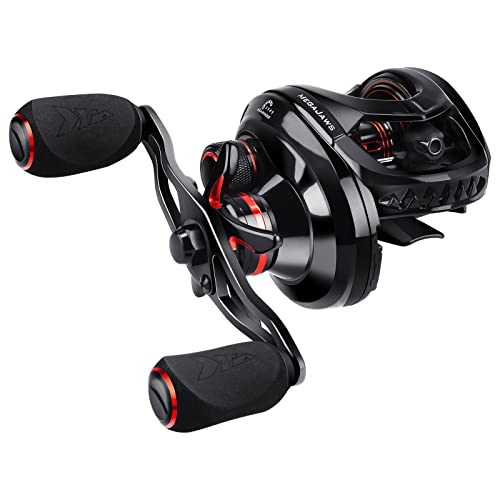
KastKing MegaJaws Baitcasting Reel,7.2:1 Gear Ratio,Right Handed Fishing...
$67.99
View Product Details →
FONMANG 322-Piece Fishing Lures Kit - Buzz Bait/Spinner Baits/Jig/Frog,...
$29.99
View Product Details →
KastKing Pontus Fishing Net, Foldable & Lightweight Landing Net with Built...
$18.91
View Product Details →

