

Choose The Best Fishing Rods For Lake Erie Walleye
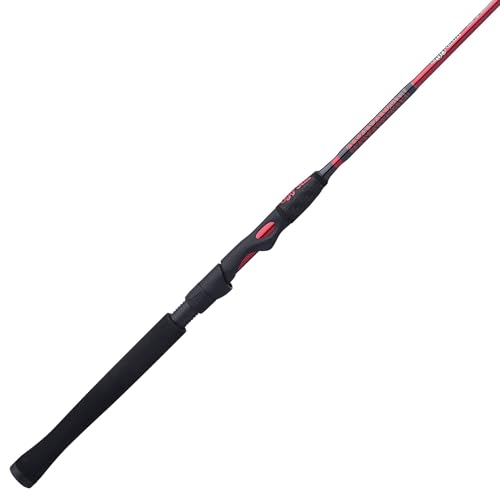
Match rod length to how you fish: 6'6"–7'6" for most trolling and live-lining, 7'6"–8'6" when you run planer boards or long spreads. Shorter sticks give better boat-side control on the downrigger or when pitching to cover; longer rods keep lures out of the propwash and improve leverage on deep fish. For vertical jigging in the Central Basin you want a stick in the 6'6"–7'0" range so you feel the bite and control quick jig motions.
Table of Contents
Our Top Picks
Affiliate disclosure: if you buy through these links, we may earn a commission at no extra cost to you.


Factors to Consider
Rod length and how it matches technique
Power and action for walleye hookups
Use medium to medium-fast for general walleye work — enough backbone to steer a hooked fish off structure but soft enough for quick soft-plastic presentations. Fast-action blanks are essential when you’re short-biting on spoons or plastics in late fall; they give instantaneous hook penetration without sacrificing bend in the lower third. For perch or ultra-light jigging in the Western Basin, step down to medium-light with a fast tip for better bite detection.
Blank construction and cold-weather durability
Graphite blanks give sensitivity you need over deep water, but composite blanks handle those hard impacts when fish slam the boat in a gusting West Basin fall. Look for rods with corrosion-resistant guides—SiC inserts or stainless frames—so the guides don’t ice-up or score braid in cold, wet conditions. EVA handles outlast cork when you’re wet and freezing on early-morning departures.
Reel compatibility and line choices
Pair spinning reels (2000–4000 size) with 6–12 lb braid for jigging and light trolling; use a 20–30 lb braid on conventional reels for heavy planer-board work or when you’re running larger stickbaits. Always tie a fluorocarbon leader—8–12 lb for walleye, lighter for perch—to cut visibility in clear Carls or Erie waters. Match rod line ratings to those specs so your blank loads properly during hooksets and long runs.
Technique-specific features: trolling, jigging, and ice
For trolling expect longer handles and heavier butt sections to manage long fights and downrigger weight; a fast tip with a strong midsection is non-negotiable when fish come up at speed. Jigging rods should prioritize tip sensitivity and quick recovery to snap spoons or glide plastics off bottom in the Central Basin’s deeper holes. For ice fishing, go with short, stout rods (28–36") with crisp tips for vertical presentation and immediate hook control when the fish are stacked tight under the hole.
Frequently Asked Questions
What rod length is best for trolling Lake Erie walleye?
Most experienced captains use 6'6"–7'6" rods for general trolling; 7'6"–8'6" when running planer boards or long spreads. The longer rods keep lures clear of the prop and give you better leverage on deep-running fish in the Central Basin.
Should I choose fast action or moderate action for jigging?
Fast action is your go-to for jigging spoons and soft plastics because it delivers quick hooksets and precise lure control. Keep a moderate-fast blank in the boat too if you run heavier baits or want more forgiveness during long fights.
Spinning rod or baitcasting rod for live-lining perch and minnows?
Spinning rods are the workhorse for live-lining and slip-bobber work; they handle light line and quick pickups better in wavy Western Basin conditions. Use baitcasting or conventional setups only when you need larger capacity for downriggers or big stickbaits.
What line and leader setup works best on Lake Erie?
Use 6–12 lb braid for jigging or light trolling with an 8–12 lb fluorocarbon leader for walleye to balance sensitivity and invisibility. For heavier planer-board or deep downrigger work, step up braid to 20–30 lb with a 12–20 lb fluorocarbon leader to fight deeper fish without line-stretch problems.
How does Western vs Central Basin influence rod choice?
The Western Basin’s shallower, wind-driven flats favor shorter rods with crisp tips for quick hookups and surface presentations. The Central Basin’s deep structure requires rods with more backbone and sensitivity to feel bites far below, so choose slightly longer, stronger blanks there.
Can one rod handle both walleye and perch effectively?
You can cover both with a medium-light/medium-fast 6'6"–7'0" rod for mixed days, but you’ll sacrifice a bit of hook-setting power on larger walleye. If you run tournaments or target big Erie walleyes, keep a dedicated medium/medium-fast jigging rod for reliability.
What rod features matter most for ice fishing Lake Erie?
Short rods (28–36") with sensitive tips and stout lower sections work best for holding fish off the bottom and feeling subtle winter bites. Choose corrosion-resistant guides and an ergonomic handle that stays secure when you’re working through slush and long winters.
Conclusion
Pick rods that match how and where you fish on Lake Erie: medium to medium-fast blanks for most walleye work, a longer stick for planer boards, and a short sensitive ice rod for vertical winter work. My recommendation is a two-rod setup—a 7' medium-fast for trolling and a 6'8" medium-light/fast for jigging—so you’re ready for Western Basin flats or deep Central Basin runs without changing hands mid-fight.


