

Best Polarized Sunglasses For Lake Erie Fishing
🏆 Top Picks at a Glance
 #1
#1
Best Overall
HUK Sunglasses, Polarized Lens Eyewear with Performance Frames, Fishing, Sports & Outdoors Sunglasses, (Clinch) Green Mirror / Southern Tier Subphantis, Medium/Large
$59.99
Check Price → #2
#2
Runner Up
INFI Fishing Polarized Sunglasses for Men Driving Running Black Glasses UV400 Protectiont
$39.99
Check Price →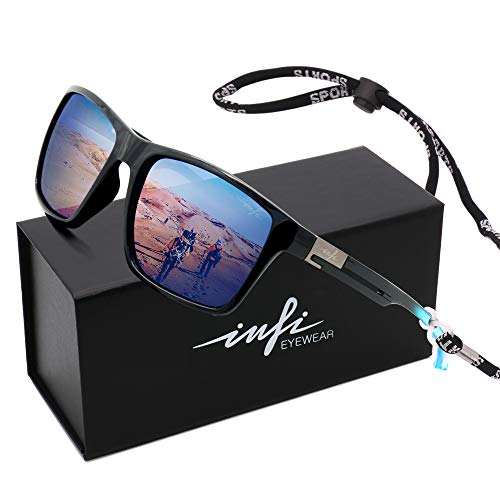 #3
#3
Best Value
INFI Fishing Polarized Sunglasses for Men Driving Running Golf Sports Glasses Square UV Protection Designer Style Unisex
$35.99
Check Price →Our Top Picks
Affiliate disclosure: if you buy through these links, we may earn a commission at no extra cost to you.
Factors to Consider
Polarization quality and lens color choices
⚡ Quick Answer
On Lake Erie, glare is a constant adversary. Look for true, multi-layer polarization that cuts glare at all angles while preserving water clarity. Copper or brown lenses sharpen weedline edges and let baitfish silhouettes pop, helping you read structure before you pull the trigger. Gray lenses work in the brightest sun, but copper or amber give you better depth perception during fall patterns.
Table of Contents
Lens material, clarity, and coatings
Choose polycarbonate or Trivex for impact resistance and light weight. Prioritize anti-fog coatings and a hydrophobic layer to shed spray when you're running boards in chop. A solid scratch-resistant treatment and 100% UV protection keep your vision sharp after long days on the water, and good optical clarity prevents distortion that hides bite cues.
Frame design, fit, and all-day comfort
Wraparound frames stay put when you slide into the rail or chase perch along weed edges. Non-slip temples and a comfortable nose pad keep them from sliding during long runs. Floatable or buoyant frames are a big plus in rough water or ice days so you don’t lose them to a sudden swell. Durable hinges and a secure fit let you lean into the rail without constant readjustment.
Cold-weather readiness and ice-fishing suitability
Cold water punishes cheap optics; seek anti-fog, anti-scratch coatings, and a frame that handles sub-freezing temps without becoming brittle. If you ice fish, floatation helps you recover quickly if you drop them through a hole. Amber or yellow tints cut glare on ice and snow while still letting you see depth and jig presentation.
Seasonal performance and real-world Lake Erie use
In fall patterns, high-contrast copper or amber lenses help you spot edge lines and bait under varied light. For trolling at deeper depths, you want lenses that hold steady visibility as the sun climbs and shifts; copper is a solid all-around choice. When jigging near weed edges for walleye or perch, a glare-free, high-contrast view improves bite detection and reaction time across both Western and Central Basin conditions.
Frequently Asked Questions
Are polarized sunglasses essential for Lake Erie fishing?
Absolutely. The glare off open water is constant, and you need to see weedlines, bait, and structure clearly. They cut eye fatigue on long charter days and help you pick spots with higher odds.
Which lens color works best for fall walleye and perch in Central vs Western Basin?
Copper or amber boosts contrast and helps you read weedlines and drop-offs. Gray is fine on very bright, flat days but can dull depth cues. For fall Lake Erie light, copper is usually the best all-around choice.
How important are lens material and anti-fog coatings?
Very important; you want impact resistance and clarity in spray and winter humidity. Anti-fog and hydrophobic coatings keep vision clear, while scratch resistance protects through long days on the rail. UV protection should be 100% and distortion minimal.
Do floating frames matter for ice fishing?
Yes, if you drop them through a hole you want to recover fast. Look for buoyant hardware and rugged frame construction to withstand cold temps and snow. A little float goes a long way when you’re moving between holes.
Will polarized lenses interfere with fish finders or boat electronics?
Occasionally screens look darker at certain angles; tilt your head or momentarily remove to read the display. Modern displays are designed with polarization in mind, but rotation is sometimes necessary on the water.
What frame features are worth paying for?
Wraparound coverage blocks side glare, and non-slip temples keep glasses in place during long trolling passes. Lightweight materials reduce fatigue, and a secure hinge ensures years of use on rough water and racks. If you fish all day, those features plus 100% UV and a comfortable fit are non-negotiables.
Should I buy prescription polarized sunglasses?
If you wear prescription lenses, yes. You can go RX-polarized or use clip-ons, but uninterrupted vision is worth it for long days on the lake. You’ll save headaches and miss fewer bites at the same time.
Conclusion
Lake Erie glare is unforgiving; you need a polarized pair with a rugged build and a secure fit. Copper or amber lenses in a floatable frame cover you from fall walleye runs to ice-edge jigging—season after season.


