

Best Fishing Line For Lake Erie Walleye
🏆 Top Picks at a Glance
 #1
#1
Best Overall
KastKing Superpower Braided Fishing Line,Low-Vis Gray,10 LB,327 Yds
$15.19
Check Price → #2
#2
Runner Up
Berkley Trilene® Big Game™, Clear, 15lb | 6.8kg, 900yd | 822m Monofilament Fishing Line, Suitable for Saltwater and Freshwater Environments Coastal Brown
$11.99
Check Price →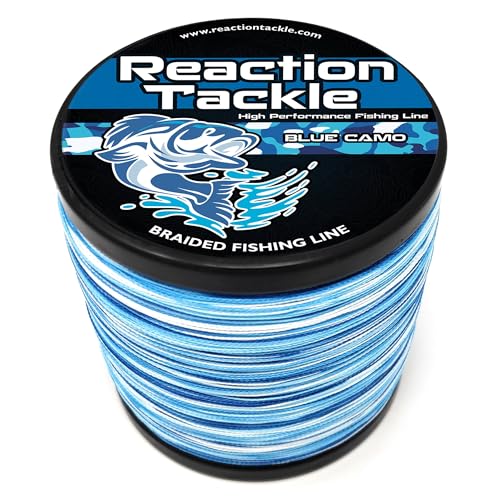 #3
#3
Best Value
Reaction Tackle Braided Fishing Line - Pro Grade Power Performance for Saltwater or Freshwater Fish - Colored Fishing Line Braid for Extra Visibility - Blue Camouflage 20 Lb (150 Yards)
$11.98
Check Price →Our Top Picks
Affiliate disclosure: if you buy through these links, we may earn a commission at no extra cost to you.
Factors to Consider
Line Type and Material
⚡ Quick Answer
On Lake Erie, you’ll want a braided mainline with a fluorocarbon leader. Braids give you instant feel and zero stretch, critical for following the bite. Fluorocarbon leaders hide in clear Western Basin water and resist sharp rocks on ledges. For jigging and trolling, set up 20-30 lb braid with an 8-15 lb fluorocarbon leader, and dial down in Central Basin when water is murkier or weedlines are heavy.
Table of Contents
Break Strength, Diameter, and Visibility
Size matters more than bragging rights. A smaller diameter reduces drag and helps keep baits running true at depth. Use 20-30 lb braided line with a 8-12 lb fluorocarbon leader for most Erie trolling and jigging. In Central Basin, you can bump lead length and go with 12-15 lb leaders when water is stained, but keep the braid strong enough to pull fish out of weed.
Cold Water Performance and Durability
Cold water affects line performance more than you think; memory and stiffness spike when temps dip. Look for low-memory fluorocarbons and tough braids that stay flexible in 40-50 degree water. Abrasion resistance matters around ledges, rock piles, and perch cover, especially during fall tournaments. Color retention helps you see line in dim light on open water or in the boat at dusk.
Knot Security, Memory, and Casting/Rigging
Braided line hates lazy knots. Build confidence with Palomar or Uni-to-Uni when joining braid to fluorocarbon; cinch the knot tight and test with a pull. Fluorocarbon leaders do not stretch, so use a solid knot and snug properly if you’re fighting a big Erie walleye. Practice the knot in calm water before your derby starts.
Season, Technique, and Usage Scenarios
Fall patterns push walleye into deeper zones as surface temp drops. Western Basin fish usually bite best around 40-60 feet, while Central Basin fish can sit deeper on humps 60-90 feet. With those patterns in mind, keep your line selection flexible—braid main with fluorocarbon leaders—so you can swap lead length and lures quickly. For ice fishing, drop to lighter line and go with 2-6 lb test on a small setup.
Frequently Asked Questions
What line type is best for Lake Erie walleye trolling and jigging?
Use braided mainline with a fluorocarbon leader. Braids give you sensitivity and no stretch, which matters when you're marking bites deep. For most Erie trolling and jigging, start with 20-30 lb braid and an 8-12 lb fluorocarbon leader, dialing up or down for Central Basin clarity.
Should I use braided line or fluorocarbon for walleye on Erie?
Braid for feel and durability; fluorocarbon for stealth and abrasion resistance. The combo—braid on the main, fluorocarbon leader—works best most of the year. In Western Basin clear water, go lighter leaders; in Central Basin stained water, you can push visibility a bit.
What pound-test line is ideal for Central Basin vs Western Basin conditions?
Western Basin tends to be clearer, so use a lighter fluorocarbon leader in the 8-12 lb range on 20-30 lb braid. Central Basin is generally stained; you can step up to a 12-15 lb leader (or even 20 lb mono in a pinch) on the same braid. The main idea is keep tension while maintaining bite sensitivity and abrasion resistance.
How do I choose line diameter for depth and lure action?
Smaller diameter reduces drag, helps lures stay deeper and run truer. Go with 20-30 lb braid around 0.012-0.014 inches while using an 8-12 lb fluorocarbon leader around 0.01-0.015 inches. If you're fighting heavy cover, consider a slightly heavier leader to prevent frays.
What is the best setup for ice fishing walleye on Lake Erie?
Ice fishing calls for light line and clean knots. Use 2-6 lb fluorocarbon or monofilament on a small jigging setup, with a sensitive rod and light reels. Keep your line memory low and spool tension steady to avoid tangles in a snowstorm.
How important is line memory in cold water?
Very important in fall and winter; memory makes your bait ride and tangles. Choose low-memory braids and fluorocarbons, and spool correctly to minimize twist. Check and retie knots between spots and conditions on derby days.
What knots work best with braided line on Erie?
Palomar and Uni-to-Uni are your workhorses for braid-to-leader connections. For joining braid to fluoro leader, the Uni-to-Uni is reliable and stays tight when it’s cold. Practice tying both in calm water before tournament days.
Conclusion
Bottom line: a braided mainline with a fluorocarbon leader is your most versatile Erie setup. Start with 20-30 lb braid and 8-12 lb leader, adjust for water clarity and depth, and you’ll stay in the bite. Tie solid knots and test them before you head out.


